Understanding How Mold Affects Individuals with Asthma and Breathing Conditions
What is Mold and How Does it Grow?

Mold is a type of fungus that thrives in damp and humid environments. It reproduces through tiny spores that can be found in the air, allowing it to spread easily. Mold can grow on various surfaces, including wood, paper, carpet, and even food. I often find myself surprised by how quickly it can take hold, especially in areas that are poorly ventilated or exposed to moisture.
Mold requires specific conditions to grow, including moisture, organic material to feed on, and a suitable temperature. These conditions are often found in bathrooms, basements, or places where water leaks occur. The lifecycle of mold is fascinating yet concerning, as it can escalate from a small patch to a significant health hazard within a short period.
To effectively combat mold, it’s crucial to understand how it proliferates. As a preventive measure, I ensure that my living environment is well-aired and dry. Regular cleaning and maintenance can significantly reduce the likelihood of mold growth. By keeping an eye on potential problem areas, we can take proactive steps to minimize its impact and if needed can also take help of Professional Mold services.
The Link Between Mold and Respiratory Issues
Research has increasingly shown a strong connection between mold exposure and respiratory problems. Individuals with pre-existing conditions, such as asthma or chronic obstructive pulmonary disease (COPD), are particularly vulnerable. I can attest to the fact that even a small amount of mold can trigger significant health issues for those of us with breathing conditions.
When mold spores are inhaled, they can irritate the airways, leading to symptoms such as coughing, wheezing, and shortness of breath. For people like me who already have compromised lung function, this can exacerbate existing conditions. It’s essential to recognize that mold is not merely an inconvenience; it poses severe health risks that can lead to hospital visits or long-term complications.
Furthermore, mold can also induce allergic reactions in some individuals, resulting in sneezing, runny nose, or itchy eyes. The combination of these symptoms can severely impact one’s quality of life. Therefore, understanding this link is crucial for both prevention and effective management of respiratory issues related to mold exposure.
How Mold Affects Individuals with Asthma
For those of us with asthma, mold poses a unique set of challenges. Asthma is characterized by inflamed airways that can become hyperreactive to various triggers, including mold spores. I have experienced firsthand how a moldy environment can trigger an asthma attack, sending me into a state of panic as I struggle for breath.
When mold spores enter the lungs, they can provoke an inflammatory response, causing the airways to constrict. This constriction can lead to increased difficulty in breathing and heightened asthma symptoms. It is alarming to think that a seemingly harmless organism can have such a profound effect on our respiratory health.
Moreover, chronic exposure to mold can lead to long-term complications, including increased asthma severity and a greater frequency of attacks. I have made it a priority to monitor my living spaces for any signs of mold and to take immediate action if I detect any. It is a critical part of managing my condition and ensuring that I can breathe easier in my environment.
Symptoms of Mold Exposure in Asthma Patients
Recognizing the symptoms of mold exposure is vital for anyone with asthma. Common symptoms include persistent coughing, difficulty breathing, chest tightness, and increased wheezing. I often find myself paying close attention to these signs, especially during the humid months when mold is more likely to thrive.
Additionally, individuals may experience an exacerbation of their asthma symptoms, which can manifest as an increased reliance on rescue inhalers or medications. Some people may also encounter symptoms that seem unrelated to asthma, such as headaches, fatigue, or skin rashes. This can complicate the identification of mold as the underlying cause of their discomfort.
In many cases, these symptoms may mimic those of other respiratory illnesses, making it essential to consult with a healthcare professional if mold exposure is suspected. I have learned to keep a journal documenting my symptoms, which has proven helpful during medical appointments. This way, I can effectively communicate my experiences and work with my healthcare provider to find the best course of action.
Identifying Mold in Your Environment
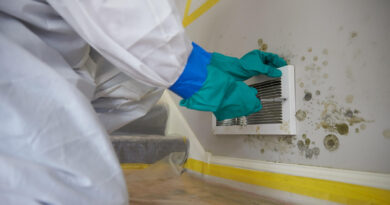
Identifying mold in your environment can sometimes be straightforward, but it often requires vigilance. I have learned to look for visible signs, such as discoloration on walls, ceilings, or any other surfaces. Mold often appears as black, green, or white patches and can have a fuzzy or slimy texture.
However, mold can also be hidden from view, lurking behind walls or under carpets. A musty odor can be a telltale sign of mold presence, even if it’s not immediately visible. I recommend performing regular inspections of high-risk areas like basements, bathrooms, and kitchens. These areas are prone to moisture and often provide favorable conditions for mold growth.
If I suspect mold but cannot see it, I may consider using a moisture meter to check humidity levels in my home. Ideally, indoor humidity should be kept below 50% to deter mold growth. If I find elevated levels, I take immediate action by improving ventilation and utilizing dehumidifiers. Proactive measures can significantly reduce the risk of mold becoming a problem.
Preventative Measures to Reduce Mold Exposure
Taking preventive measures is essential in minimizing mold exposure, especially for individuals with asthma. Here are some strategies I employ to keep mold at bay:
- Control Humidity: Maintaining indoor humidity levels below 50% is critical. I often use dehumidifiers in damp areas and ensure proper ventilation in bathrooms and kitchens.
- Regular Cleaning: I make it a habit to clean surfaces regularly, especially in areas prone to moisture. Using mold-inhibiting cleaning solutions can also help.
- Repair Leaks: Addressing any leaks in plumbing or roofing promptly prevents moisture accumulation. I always check for water damage and repair it immediately.
- Ventilation: I ensure that my home is well-ventilated, particularly in areas with high moisture levels. Opening windows and using exhaust fans can significantly improve air circulation.
- Monitor Indoor Plants: While they add beauty and freshness to our spaces, indoor plants can also promote mold growth if overwatered. I keep an eye on my plants and ensure they are not excessively moist.
By implementing these measures, I can create a healthier living environment, which is crucial for managing asthma effectively. It may require some effort, but the benefits are worth it, ensuring that I can breathe easier and live more comfortably.
Effective Mold Removal Strategies
If mold is discovered, effective removal is essential to protect our health. I have found several strategies to be particularly effective:
- Identify the Source: Before removal, it’s crucial to address the moisture issue that allowed mold to grow in the first place. This could mean repairing leaks, improving drainage, or enhancing ventilation.
- Wear Protective Gear: When I tackle mold removal, I always wear protective gear such as gloves, masks, and goggles to minimize exposure. This step is vital for individuals with asthma.
- Use Appropriate Cleaning Products: For small areas of mold, a mixture of water and detergent usually suffices. However, for larger infestations, commercial products specifically designed for mold removal may be necessary. I pay attention to product labels to ensure they are effective yet safe.
- Remove Affected Materials: Sometimes, removing materials like drywall or carpeting may be the only way to eliminate mold completely. I ensure that any materials disposed of are sealed in plastic bags to prevent spores from spreading.
- Prevent Recurrence: After removing mold, I take proactive steps to prevent its return. This includes maintaining proper ventilation, controlling humidity, and regularly inspecting for signs of moisture.
By following these strategies, I can effectively manage mold issues and maintain a healthy living environment. It’s crucial to act swiftly and decisively to protect our health, especially for those of us with asthma or other respiratory conditions.
The Role of Indoor Air Quality in Managing Asthma
Indoor air quality plays a significant role in managing asthma symptoms. Poor air quality can exacerbate breathing problems and lead to increased asthma attacks. I have become more aware of how the air we breathe indoors can affect our health, particularly in mold-prone environments.
One of the ways to improve indoor air quality is by ensuring proper ventilation. I open windows when possible and use air purifiers equipped with HEPA filters to capture airborne particles, including mold spores. This practice has significantly improved the air quality in my home, making it a more comfortable space for me.
Additionally, conducting regular air quality assessments can help identify potential issues before they escalate. I have found it beneficial to invest in air quality monitors that provide real-time data on pollutants, humidity, and temperature. This knowledge allows me to make informed decisions about my living environment, ensuring that it remains conducive to my respiratory health.
Seeking Professional Help for Mold-Related Issues
Sometimes, despite our best efforts, mold issues can become overwhelming. In such cases, seeking professional help is not just advisable; it’s often necessary. I have learned that professionals can assess mold problems, conduct thorough inspections, and implement effective removal strategies.
A mold remediation specialist can provide a comprehensive evaluation of my home, identifying hidden mold sources and recommending tailored solutions. This expertise can be invaluable, particularly for individuals with asthma, as they understand the health implications and take appropriate precautions during the remediation process.
Moreover, professionals can also conduct air quality tests to monitor mold levels, ensuring that my living environment is safe and healthy. It provides peace of mind to know that experts are addressing the issue and that I am taking the necessary steps to protect my health.
Conclusion: Managing Asthma in a Mold-Prone Environment
Managing asthma in a mold-prone environment requires diligence and proactive measures. By understanding how mold affects individuals with asthma, I can take steps to minimize exposure and mitigate its impact on my health. The journey involves recognizing the signs, implementing prevention strategies, and seeking professional help when necessary.
As I reflect on my experiences, I realize that creating a mold-free living space is not merely about comfort; it’s essential for my well-being. I encourage others with similar conditions to be proactive in monitoring their environments and to take action when mold is detected.
For more information about How Mold Affects contact Us:
Business Name: Green Guard Mold Remediation Of Union
Address: 1620 US-22, Union, NJ 07083, United States
Phone: +1 908-263-1697
Email: info@greenguardmoldremediationunion.com
Website: https://greenguardmoldremediationunion.com/