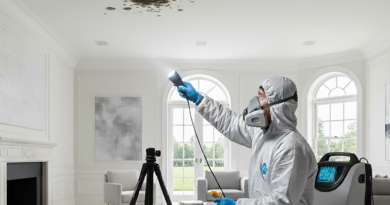
Signs Your Home Needs Professional Mold Remediation
Mold is one of those home problems that people tend to put off dealing with. It shows up in a corner, you wipe it down, and you tell yourself that’s good enough. Sometimes it is. But sometimes — more often than most homeowners realize — that little patch of mold discoloration is the tip of a much bigger problem hiding inside your walls, under your floors, or above your ceiling tiles.
Here’s the thing about mold: it doesn’t wait for a convenient time, and it rarely stays in one place. Knowing when to call in the professionals versus when a bottle of bleach will do the job can save you thousands of dollars, and potentially a lot of health headaches down the road.
1. The Smell Comes Back — Every Time
If you’ve cleaned the same musty smell out of a room more than twice, your nose is trying to tell you something. That earthy, damp, almost locker-room odor is a calling card of active mold growth. When it keeps coming back, it usually means the source is somewhere you can’t easily see or reach — inside ductwork, behind drywall, under subflooring.
A lot of homeowners try air fresheners or dehumidifiers at this stage. Those help with symptoms, not causes. If the smell persists after a thorough cleaning, trust your instincts and get an inspection.
2. You Can See It — And It’s Spreading
Small patches of mold on grout or caulking around a bathtub are fairly common and manageable. But when you start noticing mold growing across larger surfaces — ceiling tiles, entire walls, around window frames — that’s a different situation entirely.
Mold spreads by releasing spores into the air, which then settle and colonize new areas. If visible growth has reached more than about 10 square feet (roughly a 3×3 foot section), the EPA recommends bringing in a professional. At that scale, disturbing the mold without proper containment equipment can actually make things worse by dispersing spores throughout the rest of your home.
3. Someone in the House Is Constantly Sick
This one gets overlooked more than it should. People chalk up chronic congestion, frequent headaches, persistent coughing, or recurring respiratory infections to allergies, seasonal changes, or just bad luck. But if household members — especially children, elderly relatives, or anyone with asthma — are consistently unwell at home and feel better when they leave, mold exposure is worth investigating seriously.
Some mold species, particularly black mold (Stachybotrys chartarum), produce mycotoxins that can cause serious health problems with prolonged exposure. You don’t need to panic every time you hear “black mold,” but you do need to take it seriously.
4. You’ve Had Water Damage — Even Old Water Damage
Mold needs moisture to survive, and water damage is essentially an open invitation. Flooding, roof leaks, burst pipes, slow leaks under sinks — any of these can create the conditions mold needs if they aren’t fully dried and treated within 24 to 48 hours.
The tricky part? Mold from water damage often develops in hidden spaces. The interior of walls, the underside of flooring, inside insulation — these areas don’t dry quickly, and mold can take hold before anyone realizes there’s a problem. If your home has had any significant water intrusion in the past few years, a professional mold inspection is a smart precautionary move even if you haven’t spotted any visible growth.
5. Your Walls or Ceilings Are Stained, Bubbling, or Warping
Discoloration on walls or ceilings — especially yellowish, brownish, or greenish staining — often signals moisture trapped beneath the surface. So does paint that bubbles, peels, or appears wet even when it hasn’t been near water. Warping or soft spots in drywall are also red flags.
These aren’t just cosmetic issues. They indicate that moisture has been sitting in your building materials long enough to cause structural changes, which means mold likely isn’t far behind — or has already arrived.
6. Your HVAC System May Be Involved
One scenario that especially warrants professional help: mold in or near your heating and cooling system. HVAC systems are excellent vehicles for spreading mold spores through every room in the house. If you notice a musty smell when the air kicks on, or if you can see dark buildup around vents and registers, don’t try to handle that on your own.
Cleaning mold from ductwork requires specialized equipment and techniques. Doing it improperly can distribute contamination rather than eliminate it.
7. Previous DIY Attempts Haven’t Worked
There’s no shame in trying to handle a mold problem yourself — it’s a reasonable first instinct. Bleach, white vinegar, and commercial mold sprays can absolutely work on hard, non-porous surfaces like tile and glass. The problem is that many household surfaces are porous — drywall, wood, grout, fabric — and these materials can harbor mold below the surface where topical treatments can’t reach.
If you’ve cleaned a mold spot more than once and it keeps returning in the same location, that’s a reliable sign the underlying moisture problem or the mold itself hasn’t been fully addressed.
What Professional Remediation Actually Involves
It’s worth knowing what you’re getting when you hire a remediation company, because “mold removal” is sometimes misunderstood. Professionals don’t just clean what’s visible — they:
- Identify and address the moisture source (without fixing the water problem, mold will always come back)
- Contain the affected area to prevent spore spread during removal
- Use HEPA filtration equipment to capture airborne particles
- Remove and properly dispose of contaminated materials that can’t be salvaged
- Apply antimicrobial treatments to affected areas
- Conduct post-remediation testing to confirm the area is clear
The process can take anywhere from a day or two for smaller jobs to a week or more for significant infestations. Cost varies widely depending on the size and location of the problem, but legitimate companies should provide a detailed inspection and written estimate before any work begins.
A Final Word on Ignoring It
Mold isn’t the kind of problem that resolves itself. Left untreated, it continues to spread, continues to affect indoor air quality, and can cause progressive structural damage to your home. What might cost a few hundred dollars to address today can become a much more serious — and expensive — problem if it’s allowed to develop unchecked.
If any of the signs above sound familiar, it’s worth getting a professional assessment. Many remediation companies offer free or low-cost inspections, and even if the news isn’t what you hoped for, knowing what you’re dealing with is always better than not knowing.
For more information about Mold Remediation in Plainfield, NJ Contact us:
Company: Green Guard Mold Remediation Plainfield
Address: 321 E 3rd St, Plainfield, NJ 07060
Call us: +1 888-793-7963
Email: info@greenguardmoldplainfield.com
Website: https://greenguardmoldplainfield.com/