Signs Your Home May Be Affecting Your Indoor Health
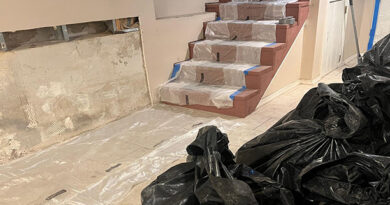
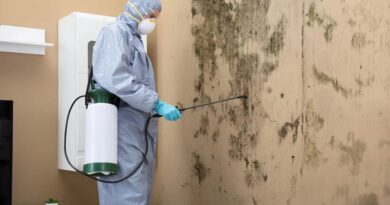
A few years ago, I started waking up with a stuffy nose every single morning. I assumed it was seasonal allergies. I bought antihistamines, tried different pillows, even changed my detergent. Nothing worked. It wasn’t until a friend casually mentioned that her family had dealt with the same thing — and traced it back to a hidden mold patch behind their bathroom tiles — that it clicked for me. Such patches of mold can only be removed by the help of Professsional Mold removal experts.
The air inside your home can be two to five times more polluted than the air outside. That’s not a scare tactic; that’s what the EPA has been saying for decades. And yet most of us never think about it. We obsess over what we eat, how much we sleep, whether we’re getting enough steps in — but the invisible environment we breathe in every day? It barely registers.
Here’s how to tell if your home might be quietly working against you.
You Wake Up Feeling Like You Never Slept
There’s tired, and then there’s the kind of tired where you open your eyes and already feel behind. If you consistently wake up groggy, congested, or with a scratchy throat — and feel better once you’ve been outside for a while — your bedroom air quality deserves a second look.
Dust mites are the usual suspects. They thrive in mattresses, pillows, and upholstered furniture, and their waste particles are a major trigger for allergic reactions and disrupted sleep. But it’s not just dust. Volatile organic compounds (VOCs) released from furniture, carpets, and even some paints can cause low-grade headaches and fatigue that you never quite pin on anything specific.
One honest question to ask yourself: do you feel noticeably better when you sleep somewhere else — a hotel, a friend’s place, somewhere outdoors? If yes, that’s a signal worth taking seriously.
Headaches That Follow You Room to Room
Not all headaches are stress. Some are chemical.
Carbon monoxide is the obvious one, and a CO detector is non-negotiable if you have gas appliances or an attached garage. But even without a gas leak, off-gassing from new furniture, synthetic flooring, or cleaning products can build up — especially in homes that are tightly sealed for energy efficiency. You get warmth and a lower utility bill; in exchange, stale air lingers longer.
Pay attention to when and where your headaches happen. Do they start at home and ease up when you go for a walk? Do they get worse in rooms with new furniture or after you’ve cleaned? Patterns like that tend to mean something.
Allergies That Never Quite Go Away
Seasonal allergies are real, but they’re seasonal. If you’re sneezing and rubbing your eyes in January just as much as in May, something inside is keeping you triggered.
Pet dander is one of the most common culprits, and it’s sneakier than most people expect — it clings to fabrics, travels on clothing, and can persist in a home for months after a pet has moved out. Mold spores are another story. They don’t always announce themselves with a smell or a visible patch. Mold hides in wall cavities, under sinks, behind appliances, in HVAC systems. You can have a mold problem for years and never see it directly.
Pollen does make its way inside, too. It comes in on shoes, clothes, and pets, settles into carpet, and gets redistributed every time someone walks through the room.
If over-the-counter allergy medicine is the thing standing between you and a functional day — all year round, not just during pollen season — it’s worth investigating what you’re actually reacting to.
You Notice Musty or Chemical Smells You’ve Started to Ignore
Here’s an uncomfortable truth about smell: you adapt to it. A scent you noticed the first week in a new home becomes invisible by week three. That’s normal neurologically — but it means you can stop registering odors that are genuinely telling you something.
A persistent musty smell, especially in basements, bathrooms, or closets, almost always points to moisture and mold. A chemical or “new car” smell in a room with synthetic carpet or recently installed cabinetry is VOC off-gassing, which typically diminishes over time but can be significant in the early months.
Try this: leave your home for a few hours, then come back and walk in the front door paying attention to your first impression. Fresh air resets your baseline. Whatever you notice in that first minute is probably what a guest smells when they visit.
Your Kids or Pets Seem Affected More Than You
Children’s immune and respiratory systems are still developing, which makes them more sensitive to indoor air quality issues than adults. If your child has recurring respiratory infections, persistent coughs, or unexplained skin rashes — and their pediatrician keeps coming up empty — it’s worth considering the home environment.
Pets, especially dogs and cats who spend most of their time low to the ground, can also show signs of poor air quality before humans do. Lethargy, eye irritation, or respiratory issues in a pet that otherwise seems healthy can sometimes reflect what’s accumulating at floor level.
This isn’t to replace veterinary or pediatric advice. But if you’re in a cycle of symptoms without clear answers, it’s one more variable worth examining.
Condensation on Windows, Peeling Paint, or Warping Wood
These might look like structural issues, but they’re really moisture signals. Excess humidity in a home — usually above 50-60% — creates the exact conditions that mold and dust mites love. Condensation on interior windows, peeling paint in bathrooms, or wood that seems to expand and warp seasonally are all signs that moisture is accumulating somewhere.
High humidity also makes the air feel heavier and harder to breathe, and can intensify smells throughout the home. It’s uncomfortable in ways that are hard to name specifically — people often just say the air feels “stale” or “thick.”
A basic hygrometer (they cost around $10) can tell you your indoor humidity level. It’s one of those inexpensive things that can answer a lot of questions at once.
What You Can Actually Do About It
You don’t need to renovate your home or spend a lot of money to improve indoor air quality. Most of it comes down to a few consistent habits:
Ventilate more than you think you need to. Open windows when the weather allows. Run bathroom and kitchen exhaust fans during and after use. Air your home out even in winter — a few minutes of cross-ventilation makes a difference.
Change HVAC filters on schedule. Most people forget. The filter that’s been in place for 14 months isn’t just less effective — it’s circulating whatever it’s collected back into the air.
Deal with moisture problems promptly. A small leak under a sink, left alone, becomes a mold colony. Fix leaks immediately, run a dehumidifier if your basement runs damp, and make sure bathrooms dry out properly after showers.
Be thoughtful about what you bring in. New furniture, rugs, and mattresses often off-gas significantly. Airing them out before bringing them inside — even just leaving them in a garage or on a porch for a few days — can reduce what you’re exposed to.
Clean with intention, not just habit. Vacuuming with a HEPA-filter vacuum actually traps particles rather than redistributing them. Wet-mopping captures dust that sweeping disturbs. And ironically, many conventional cleaning products contribute to indoor VOC levels — there are effective alternatives that don’t.
For more information about Indoor Health, please contact:
Business Name: Green Guard Mold Remediation Hackensack
Address: 60 Court St, Hackensack, NJ 07601, United States
Phone: +1 551-324-9713
Email: info@greenguardmoldhackensack.com
Website: https://greenguardmoldhackensack.com/