The Hidden Health Risks of Poor Indoor Air Quality and Mold Growth
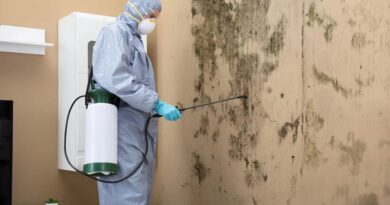
Most of us spend close to ninety percent of our time indoors, yet we rarely think about what’s actually in the air we’re breathing at home. We obsess over outdoor pollution, check air quality apps before a run, and worry about smog in big cities. Meanwhile, the air circulating through our living rooms and bedrooms can be quietly working against us, and one of the biggest culprits is something that often goes unnoticed until it’s a serious mold problem such problems can only be solved by mold remediation professionals..
Why Indoor Air Often Isn’t as Clean as We Assume
There’s a common assumption that because a home is sealed off from traffic fumes and factory smoke, the air inside must be cleaner than the air outside. In reality, the opposite is frequently true. Modern homes are built to be energy efficient, which means they’re tightly sealed. That’s great for heating and cooling bills, but it also means pollutants generated indoors have nowhere to go. Cooking fumes, cleaning chemicals, off-gassing from furniture and paint, dust, pet dander, and moisture all build up in a space that isn’t getting much fresh air exchange.
Add a humid bathroom, a leaky pipe under the kitchen sink, or a basement that never quite dries out after a storm, and you’ve created the exact conditions mold needs to thrive.
How Mold Actually Affects Your Body
Mold doesn’t need to be visible to cause problems. By the time you see a dark patch creeping along a windowsill or smell that telltale musty odor, the mold has often already been releasing spores and microscopic fragments into the air for weeks or months. These particles are small enough to bypass the body’s natural filtering systems and settle deep into the respiratory tract.
For some people, exposure causes mild irritation: a scratchy throat, watery eyes, or a cough that won’t quite go away. For others, especially those with asthma or existing allergies, mold can trigger much more serious reactions, including wheezing, chest tightness, and breathing difficulty that sends them to urgent care. Children, older adults, and anyone with a compromised immune system tend to feel the effects more acutely, sometimes from levels of exposure that wouldn’t bother a healthy adult at all.
There’s also a less talked-about category of symptoms that people often don’t connect back to their environment: persistent fatigue, headaches, brain fog, and unexplained sinus issues. These can be frustratingly vague, which means people frequently chase down other explanations, changing diets, getting bloodwork done, trying new allergy medications, before anyone thinks to ask whether their house itself might be the problem.
It’s Not Just Mold
While mold tends to get most of the attention, it’s rarely working alone. Poor ventilation usually means higher levels of volatile organic compounds, or VOCs, off-gassing from things like paint, carpet adhesive, and household cleaners. Dust mites multiply in humid, poorly circulated environments. Carbon dioxide can build up in bedrooms overnight if windows stay shut and HVAC systems aren’t doing their job. None of these issues exist in isolation, they tend to compound each other, and a home with one air quality problem often has several.
The Warning Signs People Tend to Miss
A few signals are worth paying attention to, even if nothing looks obviously wrong:
A musty smell that lingers in one part of the house, even after cleaning, is one of the most reliable early indicators of hidden mold. Condensation that regularly forms on windows or pipes suggests humidity levels are higher than they should be. Discoloration on ceilings, especially near bathrooms or roof lines, can point to a slow leak that’s been feeding mold growth out of sight. And if family members seem to feel noticeably better when they’re away from home, on vacation, at work, at school, that pattern is worth taking seriously rather than dismissing as coincidence.
What Actually Helps
The good news is that most of this is manageable without major renovation. Keeping indoor humidity between 30 and 50 percent makes a meaningful difference, and a simple hygrometer from a hardware store can tell you where your home currently stands. Bathroom and kitchen exhaust fans should actually be used, not just installed, and ideally run for a while after showers or cooking rather than switched off the moment steam clears. Fixing leaks quickly, even small, slow ones, prevents the kind of chronic dampness that mold needs to establish itself.
Ventilation matters more than people realize. Even a few minutes of opening windows to exchange stale indoor air for fresh outdoor air can lower concentrations of trapped pollutants. Air purifiers with HEPA filtration can help with particles, though they won’t solve a moisture problem at its source. And for homes with central HVAC, regular filter changes and occasional duct inspections go a long way toward keeping the whole system from becoming a distribution network for spores and dust.
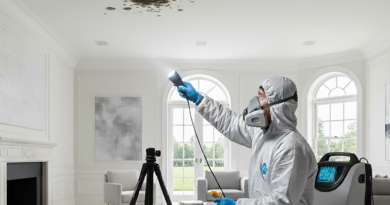
If mold growth is already visible and covers a significant area, this is one situation where it’s worth bringing in a professional rather than tackling it solo. Surface cleaning can sometimes spread spores rather than eliminate them, and larger infestations often point to a moisture source that needs proper diagnosis.
A Problem Worth Taking Seriously
Indoor air quality doesn’t get the attention it deserves, largely because its effects build up slowly and quietly rather than announcing themselves the way a kitchen fire or a burst pipe would. But the cumulative impact on respiratory health, sleep quality, and general wellbeing is real, and it’s one of the few health risks in a home that’s almost entirely within a person’s control once they know what to look for. Paying attention to humidity, ventilation, and the early warning signs of moisture problems isn’t just about comfort, it’s a genuinely practical way to protect the health of everyone living under that roof.
For more information about air quality testing services in New Jersey, contact us:
Business Name: New Jersey Mold Specialist
Address: 92 Bayard St #203, New Brunswick, NJ 08901
Call us: (732) 973-9352
Email: info@njmoldspecialist.com
Website: https://njmoldspecialist.com/