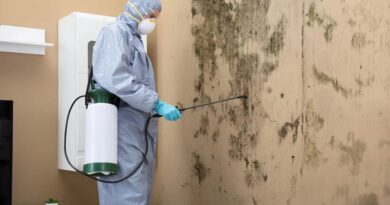
How Mold Exposure Affects Children, Seniors, and Allergy Sufferers
Understanding Mold Problems and Their Causes
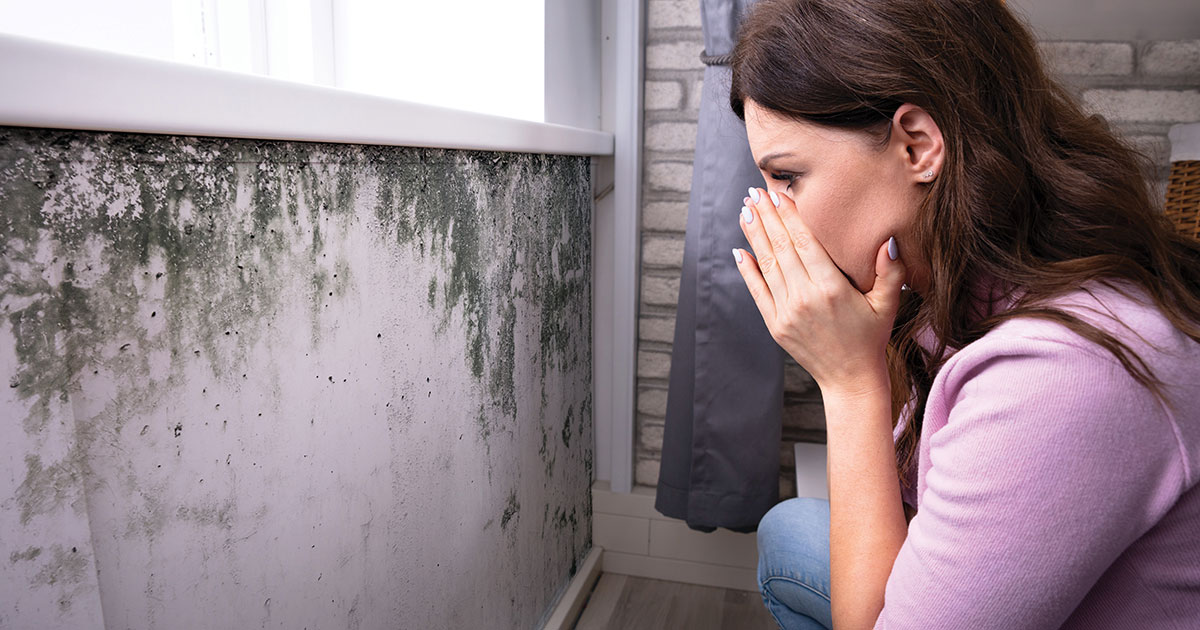
Mold problems are more common than many of us realize, lurking in damp corners and hidden spaces of our homes. Mold is a type of fungus that thrives in moist environments, and it can be detected both indoors and outdoors. I’ve learned that mold spores are always present in the air, but they become problematic when they settle and begin to grow, especially in areas with high humidity or water damage. Common places where mold can flourish include bathrooms, basements, and any areas prone to leaks.
Several factors contribute to the development of mold problems, including inadequate ventilation, high humidity levels, and water intrusion. When I reflect on my own experiences, I recognize the importance of addressing these underlying issues. For instance, I once ignored a small leak under the sink, which eventually resulted in significant mold growth. It’s essential to understand that mold growth can initiate within 24 to 48 hours of water exposure, making prompt action crucial.
Additionally, mold can come in various forms, such as black mold, which is notorious for its toxic effects, and other types like Aspergillus and Penicillium. Each type presents its unique challenges, and knowing which type is present can help in determining the best course of action for remediation. It is vital to stay aware of mold problems and the conditions that foster them, as this knowledge can empower us to create a healthier living environment.
The Connection Between Mold and Health Issues
The relationship between mold and health issues is an area of growing concern. Studies indicate that exposure to mold can lead to a variety of health complications, particularly for vulnerable populations such as children, seniors, and individuals with pre-existing allergies or respiratory conditions. I’ve seen firsthand how mold can exacerbate asthma and other respiratory ailments, leading to increased hospital visits and medication use among those affected.
When mold spores are inhaled, they can trigger allergic reactions or respiratory issues. Symptoms may range from mild to severe, depending on an individual’s sensitivity and the amount of exposure. I remember one incident where a family member experienced a sudden asthma attack after spending time in a mold-infested area, highlighting the immediate health risks associated with mold exposure.
Moreover, long-term exposure to mold can lead to chronic health problems. Studies suggest that prolonged contact can contribute to lung infections, chronic sinusitis, and even neurological issues in severe cases. Understanding this connection emphasizes the importance of addressing mold problems promptly and effectively, especially in households with sensitive individuals.
Common Health Problems Linked to Mold Exposure
Several health problems are commonly associated with mold exposure. Allergic reactions are the most frequent issues reported, manifesting with symptoms such as sneezing, runny or stuffy nose, and itchy or watery eyes. I often find myself reflecting on how easily these symptoms can be mistaken for a common cold or seasonal allergies, especially during certain times of the year.
Respiratory problems are another major concern. Mold can trigger asthma attacks or worsen existing respiratory conditions. For instance, I’ve witnessed how children with asthma can struggle to breathe during mold season, underscoring the need for awareness among parents and caregivers. It’s also worth noting that seniors are particularly vulnerable, as their immune systems may be weaker, making them more susceptible to infections and chronic conditions.
In addition to allergies and respiratory issues, mold exposure has been linked to skin irritations and infections. Individuals may develop rashes or other skin conditions after contact with mold-infested surfaces. This is why it’s essential for me to educate others on the potential risks associated with mold, particularly for those who may not recognize the symptoms or their severity.
Symptoms of Mold Exposure and When to Seek Help
Recognizing the symptoms of mold exposure is crucial for timely intervention. Common symptoms include respiratory issues, such as coughing, wheezing, and shortness of breath. I’ve learned that these symptoms can often be mistaken for other ailments, so it’s important to remain vigilant, especially if they persist after leaving a moldy environment.
Other symptoms can include fatigue, headaches, and skin irritations. I remember a time when I experienced persistent headaches after spending time in a humid basement, only to discover later that mold was present. This experience taught me that our bodies often send signals when something is off, and it’s essential to listen.
If you or your loved ones are experiencing symptoms that you suspect may be related to mold exposure, it’s crucial to seek help. Consulting a healthcare professional can provide clarity and guidance on how to address the problem. They can help determine whether your symptoms are indeed linked to mold or if there may be other underlying causes. In some cases, you may need to undergo allergy testing or other evaluations to assess your specific situation.
Long-Term Health Impacts of Mold Problems
Long-term exposure to mold can lead to a variety of serious health issues. I’ve come across numerous studies indicating that chronic exposure may result in the development of conditions such as chronic obstructive pulmonary disease (COPD) and pulmonary fibrosis. These conditions can significantly impact quality of life, making daily activities increasingly challenging.
Moreover, mold exposure has been linked to mental health issues. Some research suggests that individuals who are exposed to mold may experience increased anxiety, depression, and cognitive decline. This connection has made me more aware of the potential mental health impacts, especially for those living in mold-affected environments for extended periods.
In children, long-term exposure to mold can hinder development and may even lead to lifelong respiratory issues. I often think about the importance of protecting our children’s health, as their developing lungs are particularly susceptible to environmental toxins. Therefore, taking proactive measures to address mold problems is essential for safeguarding the health of future generations.
Identifying Mold in Your Home: Signs and Symptoms
Identifying mold in your home is the first step toward addressing the problem. Common signs of mold presence include visible mold growth, which can appear as black, green, or white patches on walls, ceilings, and other surfaces. I’ve encountered instances where mold was hidden behind furniture or inside walls, making it imperative to conduct thorough inspections.
Another indication of mold is a musty odor. This smell often signifies mold growth, even if it’s not immediately visible. I recall walking into a friend’s home and noticing a strong musty scent, which eventually led to the discovery of significant mold in their basement. Trusting our senses can be a key factor in identifying mold problems early on.
Additionally, monitoring for water damage is crucial. Any signs of leaks, water stains, or excessive moisture should be addressed promptly. I’ve learned that even small leaks can create the perfect breeding ground for mold, so being proactive about repairs and maintenance is essential in preventing growth. Regular inspections of areas prone to moisture can help us stay ahead of potential issues.
Preventing Mold Growth: Tips for Homeowners
Preventing mold growth is a vital aspect of maintaining a healthy home environment. Here are some effective tips I’ve gathered over the years:
- Control Humidity Levels: Keeping indoor humidity levels below 50% can help inhibit mold growth. I recommend using dehumidifiers in areas prone to moisture, such as basements and bathrooms.
- Ensure Proper Ventilation: Good airflow is key to preventing mold. I make it a habit to open windows and use exhaust fans in kitchens and bathrooms to reduce moisture buildup.
- Address Water Leaks Promptly: Any leaks should be repaired immediately to prevent water from accumulating. I’ve found that even a small leak can lead to significant mold problems if left unchecked.
- Regular Inspections: Conducting regular inspections in areas like attics, basements, and behind appliances can help identify potential mold issues before they escalate. I often take time during seasonal clean-ups to check these areas.
- Use Mold-Resistant Products: When renovating or building, consider using mold-resistant paint and materials, especially in moisture-prone areas. This is a proactive step I take to minimize future mold problems.
By implementing these preventive measures, we can create a healthier living environment and reduce the risk of mold growth in our homes.
Remediation and Removal of Mold Problems
When mold problems do arise, effective remediation is crucial. The first step I take is to identify the extent of the mold growth and the source of moisture. In some cases, I’ve found that removing the affected materials, such as drywall or carpeting, is necessary to eliminate the problem entirely.
For small mold infestations, I often use a solution of water and detergent to clean affected surfaces. However, for larger infestations or toxic mold, it’s best to hire a professional mold remediation service. These experts have the tools and knowledge to safely remove mold and ensure that it doesn’t return. I’ve learned that attempting to handle significant mold issues on my own can lead to more extensive problems down the line.
During the remediation process, it’s essential to ensure that the affected area is contained to prevent spores from spreading to other parts of the home. I often recommend setting up barriers and using air purifiers to help control the situation. After the mold has been removed, it’s important to address the underlying causes of moisture to prevent future growth.
Seeking Professional Help for Mold Issues
Sometimes, mold problems can be overwhelming, and seeking professional help becomes necessary. Mold remediation specialists have the expertise and equipment to handle mold issues safely and effectively. I’ve seen the benefits of bringing in professionals firsthand, especially when the situation is beyond my capabilities.
When choosing a mold remediation service, I recommend looking for certified professionals with experience in handling various types of mold. They should conduct a thorough inspection and provide a detailed plan for remediation. Additionally, it’s essential to check reviews and ask for references to ensure you’re hiring a reputable company.
After remediation, it’s crucial to follow up with regular inspections and maintenance to ensure that mold problems don’t return. I’ve found that ongoing vigilance is key to maintaining a healthy home environment, especially for families with children, seniors, and allergy sufferers.
Conclusion: Protecting Your Health from Mold
In conclusion, understanding mold problems and their potential impacts on health is vital for everyone, especially children, seniors, and allergy sufferers. By recognizing the signs of mold, preventing growth, and seeking help when necessary, we can protect our health and well-being.
I encourage everyone to take an active role in maintaining their living spaces, as a proactive approach can significantly reduce the risks associated with mold exposure. If you suspect that mold is an issue in your home, don’t hesitate to seek professional guidance. Together, we can create healthier living environments for ourselves and our loved ones.
For more information about How Mold Exposure Affects Children, Seniors, and Allergy Sufferers Contact us:
Company: Green Guard Mold Remediation Plainfield
Address: 321 E 3rd St, Plainfield, NJ 07060
Call us: +1 888-793-7963
Email: info@greenguardmoldplainfield.com
Website: https://greenguardmoldplainfield.com/