Respiratory Issues Caused by Mold Exposure: What You Need to Know
Mold exposure is a significant health concern that can lead to various respiratory issues. Understanding the implications of mold in our living environments is crucial for maintaining good health. Mold spores are ubiquitous in nature, and while they play a role in the ecosystem, their presence indoors can trigger a range of health problems, particularly for those with sensitivities or pre-existing conditions. This article delves into the respiratory issues associated with mold exposure, the symptoms to watch for, and Effective Remediation / prevention strategies.
Understanding Mold and Its Health Impacts
Mold is a type of fungus that thrives in damp, warm environments. It reproduces through tiny spores that can easily become airborne. When inhaled, these spores can provoke allergic reactions and respiratory issues in sensitive individuals. The health effects of mold exposure can vary widely, depending on the type of mold, the level of exposure, and individual susceptibility.
Types of Mold
There are several types of mold commonly found in indoor environments, each with its potential health risks:
- Aspergillus: Often found in damp areas, this mold can cause allergic reactions and respiratory infections, particularly in individuals with weakened immune systems.
- Cladosporium: This mold is prevalent in both indoor and outdoor environments and can trigger asthma and allergic reactions.
- Penicillium: Known for its role in antibiotic production, this mold can also cause respiratory issues and allergic reactions when inhaled.
- Stachybotrys chartarum (Black Mold): This type of mold is notorious for its association with severe health problems, including respiratory issues and chronic fatigue.
Health Risks Associated with Mold Exposure
Exposure to mold can lead to various health issues, particularly respiratory problems. Some of the most common health risks include:
- Allergic Reactions: Many individuals experience symptoms such as sneezing, runny nose, and itchy eyes when exposed to mold.
- Asthma Attacks: For those with asthma, mold exposure can trigger severe attacks, leading to difficulty breathing and chest tightness.
- Hypersensitivity Pneumonitis: This inflammatory lung disease can develop from prolonged exposure to mold spores, causing symptoms like chronic cough and shortness of breath.
- Infections: Individuals with compromised immune systems may be at risk for mold-related infections, particularly in the lungs.
Symptoms of Mold Exposure
Recognizing and Testing the symptoms of mold exposure is essential for timely intervention. Symptoms can range from mild to severe and may vary based on individual sensitivities.
Common Symptoms
- Respiratory Issues: Coughing, wheezing, and shortness of breath are common respiratory symptoms associated with mold exposure.
- Allergic Reactions: Sneezing, nasal congestion, and itchy eyes are typical allergic responses to mold.
- Skin Irritation: Mold can also cause skin rashes and irritation in sensitive individuals.
- Fatigue and Headaches: Chronic exposure may lead to fatigue, headaches, and general malaise.
When to Seek Medical Attention
If you experience persistent respiratory symptoms or allergic reactions after mold exposure, it is crucial to consult a healthcare professional. Early diagnosis and intervention can prevent more severe health complications.
The Link Between Mold and Asthma
Asthma is a chronic respiratory condition that can be exacerbated by mold exposure. For individuals with asthma, inhaling mold spores can trigger inflammation in the airways, leading to increased symptoms and attacks.
Understanding Asthma Triggers
Mold is one of many potential triggers for asthma. Other common triggers include:
- Pollen: Seasonal allergies can worsen asthma symptoms.
- Dust Mites: These tiny creatures thrive in bedding and upholstery, contributing to asthma flare-ups.
- Pet Dander: Proteins found in pet saliva, urine, and skin can trigger asthma symptoms in sensitive individuals.
Managing Asthma with Mold Exposure
For individuals with asthma, managing mold exposure is critical. Here are some strategies:
- Avoid High-Mold Areas: Stay away from places known to have high mold concentrations, such as damp basements or poorly ventilated areas.
- Use Air Purifiers: HEPA filters can help reduce airborne mold spores in your home.
- Consult Your Doctor: Regular check-ups and medication adjustments can help manage asthma symptoms effectively.
Hypersensitivity Pneumonitis: A Serious Concern
Hypersensitivity pneumonitis (HP) is an inflammatory response in the lungs caused by inhaling organic dust, including mold spores. This condition can lead to significant respiratory issues if not addressed promptly.
Symptoms of Hypersensitivity Pneumonitis
Symptoms of HP can mimic other respiratory conditions, making diagnosis challenging. Common symptoms include:
- Chronic Cough: A persistent cough that does not improve with standard treatments.
- Shortness of Breath: Difficulty breathing, especially during physical activity.
- Fatigue: A general feeling of tiredness and malaise.
Diagnosis and Treatment
Diagnosing HP often involves a thorough medical history and environmental assessment. Treatment typically focuses on removing the source of mold exposure and may include:
- Corticosteroids: These medications can help reduce inflammation in the lungs.
- Avoidance Strategies: Identifying and eliminating mold sources in the home is crucial for recovery.
Identifying Mold in Your Home
Detecting mold in your living space is essential for preventing health issues. Mold can grow in various areas, often hidden from plain sight.
Common Areas for Mold Growth
- Bathrooms: High humidity levels make bathrooms a prime location for mold growth.
- Kitchens: Leaky pipes and damp surfaces can encourage mold proliferation.
- Basements: Poor ventilation and moisture accumulation create ideal conditions for mold.
- Air Conditioning Units: These can harbor mold if not properly maintained.
Signs of Mold Presence
Look for the following signs that may indicate mold growth:
- Visible Mold: Dark spots or patches on walls, ceilings, or surfaces.
- Musty Odors: A persistent, unpleasant smell can signal hidden mold.
- Water Damage: Stains or discoloration on walls or ceilings may indicate moisture issues.
Prevention Strategies for Mold Growth
Preventing mold growth in your home is vital for maintaining a healthy environment. Here are effective strategies to minimize mold exposure:
Control Humidity Levels
- Use Dehumidifiers: Keep indoor humidity levels below 50% to discourage mold growth.
- Ventilation: Ensure proper ventilation in areas prone to moisture, such as bathrooms and kitchens.
Regular Maintenance
- Inspect for Leaks: Regularly check plumbing and roofing for leaks that can lead to water damage.
- Clean and Dry: Promptly clean and dry any spills or water accumulation to prevent mold growth.
Mold-Resistant Materials
Consider using mold-resistant materials in areas prone to moisture, such as:
- Mold-Resistant Paint: This type of paint can help inhibit mold growth on walls.
- Water-Resistant Flooring: Opt for materials that are less susceptible to mold, such as tile or vinyl.
The Role of Professional Mold Remediation
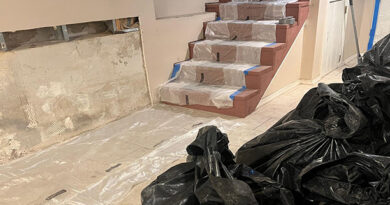
If mold is detected in your home, professional remediation may be necessary to ensure safe removal. Professionals have the expertise and equipment to handle mold safely and effectively.
When to Call a Professional
Consider hiring a mold remediation specialist if:
- Extensive Mold Growth: If mold covers a large area (more than 10 square feet), professional help is recommended.
- Health Concerns: If you or your family members have health issues related to mold exposure, professional assistance is crucial.
What to Expect During Remediation
A professional mold remediation process typically includes:
- Assessment: A thorough inspection to identify mold sources and extent of growth.
- Containment: Isolating affected areas to prevent mold spores from spreading.
- Removal: Safe removal of mold and contaminated materials.
- Prevention: Recommendations for preventing future mold growth.
Conclusion
Mold exposure poses significant health risks, particularly for individuals with respiratory conditions. Understanding the symptoms, risks, and prevention strategies is essential for maintaining a healthy living environment. By taking proactive measures to control humidity, conduct regular inspections, and seek professional help when necessary, you can protect yourself and your loved ones from the adverse effects of mold. Prioritizing mold prevention and awareness will contribute to better respiratory health and overall well-being.
For more information about Respiratory Issues Caused by Mold Exposure, please contact:
Business Name: Green Guard Mold Remediation Hackensack
Address: 60 Court St, Hackensack, NJ 07601, United States
Phone: +1 551-324-9713
Email: info@greenguardmoldhackensack.com
Website: https://greenguardmoldhackensack.com/