Hidden Mold Symptoms That Homeowners Often Ignore
Mold is a pervasive issue that can silently infiltrate homes, often going unnoticed until it manifests in more severe forms. While many homeowners are aware of visible mold, hidden mold can pose a greater threat due to its concealed nature. This article delves into the symptoms of hidden mold that are frequently overlooked, providing insights into how to identify and address this potential hazard effectively.
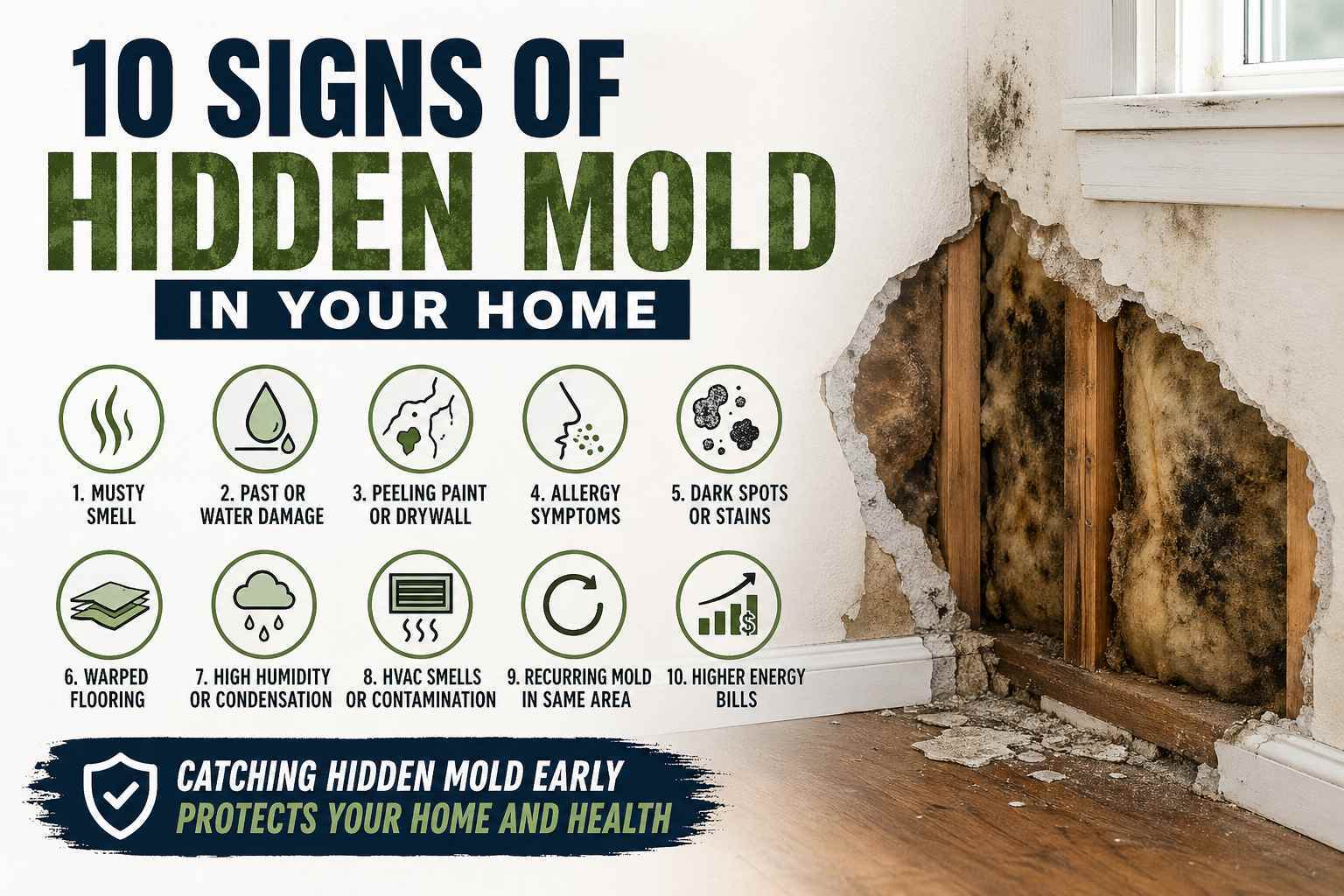
Understanding Hidden Mold
Hidden mold refers to mold growth that occurs in areas not easily visible to the naked eye. It can thrive in damp, dark environments such as behind walls, under flooring, and in attics. Understanding the nature of hidden mold is crucial for homeowners to mitigate its risks by remediation process.
The Growth Conditions for Mold
Mold requires specific conditions to flourish, primarily moisture, warmth, and organic material. Common sources of moisture include:
- Water leaks: From roofs, pipes, or appliances.
- High humidity: Often found in bathrooms and kitchens.
- Condensation: Occurs on cold surfaces, especially in poorly insulated areas.
By recognizing these conditions, homeowners can take proactive measures to prevent mold growth.
The Risks Associated with Hidden Mold
Hidden mold can lead to various health issues and structural damage. The spores released into the air can cause respiratory problems, allergic reactions, and other health complications. Additionally, mold can weaken the structural integrity of a home, leading to costly repairs.
Common Symptoms of Hidden Mold
Identifying hidden mold can be challenging, but certain symptoms can serve as warning signs. Homeowners should be vigilant for the following indicators:
Unexplained Health Issues
One of the most alarming signs of hidden mold is the onset of unexplained health problems. Symptoms may include:
- Respiratory issues: Such as coughing, wheezing, or shortness of breath.
- Allergic reactions: Including sneezing, runny nose, and itchy eyes.
- Skin irritations: Rashes or hives that appear without an obvious cause.
If these symptoms worsen when spending time at home, it may indicate the presence of hidden mold.
Musty Odors
A persistent musty smell is often one of the first signs of hidden mold. This odor can be particularly strong in areas with high humidity or poor ventilation. Homeowners should investigate any unusual smells, especially in basements, attics, or behind walls.
Water Damage Signs
Visible signs of water damage can also indicate hidden mold. Homeowners should look for:
- Stains on walls or ceilings: Yellow or brown discoloration can suggest moisture issues.
- Peeling paint or wallpaper: This may indicate trapped moisture behind surfaces.
- Warped or buckled flooring: Changes in the appearance of floors can signal underlying water damage.
Increased Allergies or Asthma Symptoms
For individuals with pre-existing allergies or asthma, hidden mold can exacerbate symptoms. Homeowners may notice an increase in allergy attacks or asthma flare-ups, particularly in specific areas of the home. If symptoms improve when away from home, it may be time to investigate further.
Detecting Hidden Mold
While some symptoms may be apparent, detecting hidden mold often requires a more thorough approach. Here are some effective methods for uncovering hidden mold:
Visual Inspections
Regular visual inspections of your home can help identify potential mold growth. Homeowners should check:
- Basements and crawl spaces: These areas are often damp and prone to mold.
- Attics: Look for signs of leaks or condensation.
- Behind appliances: Check areas behind refrigerators, washing machines, and dishwashers.
Utilizing Your Senses
In addition to visual inspections, using your senses can help detect hidden mold. Pay attention to:
- Odors: A musty smell can indicate mold presence.
- Sounds: Listen for unusual noises, such as dripping or bubbling, which may suggest water damage.
Professional Mold Testing
If you suspect hidden mold but cannot locate it, consider hiring a professional mold inspector. They can conduct thorough testing and provide expert recommendations for remediation.
Addressing Hidden Mold
If hidden mold is discovered, it’s essential to take immediate action to address the issue. Here are steps homeowners can take:
DIY Mold Removal
For small patches of mold, homeowners may opt for DIY removal. This process typically involves:
- Wearing protective gear: Such as gloves, masks, and goggles.
- Using appropriate cleaning solutions: Vinegar, baking soda, or commercial mold removers can be effective.
- Ensuring proper ventilation: Open windows and use fans to circulate air during the cleaning process.
Professional Mold Remediation
For extensive mold growth or if the mold is located in hard-to-reach areas, professional remediation is recommended. Professionals have the tools and expertise to safely remove mold and prevent future growth.
Preventing Future Mold Growth
Once mold has been addressed, it’s crucial to implement preventive measures to avoid recurrence. Homeowners should:
- Control humidity levels: Use dehumidifiers and exhaust fans in high-moisture areas.
- Fix leaks promptly: Address any water leaks immediately to prevent moisture buildup.
- Improve ventilation: Ensure proper airflow throughout the home to reduce dampness.
The Importance of Regular Maintenance
Regular home maintenance is key to preventing hidden mold. Homeowners should establish a routine inspection schedule to identify potential issues before they escalate.
Seasonal Inspections
Conducting seasonal inspections can help catch problems early. Focus on:
- Roof and gutters: Check for leaks or blockages that could lead to water damage.
- Basements and crawl spaces: Look for signs of moisture or water intrusion.
- HVAC systems: Ensure filters are clean and ducts are free of mold.
Documenting Issues
Keeping a record of any water damage or mold issues can help track recurring problems. This documentation can be valuable for insurance claims or when seeking professional assistance.
Conclusion
Hidden mold is a serious concern for homeowners, often going unnoticed until it causes significant health and structural issues. By understanding the symptoms and taking proactive measures, homeowners can protect their living environments from the dangers of mold. Regular inspections, prompt action, and preventive maintenance are essential in maintaining a mold-free home. If you suspect hidden mold, don’t hesitate to seek professional help to ensure a safe and healthy living space.
For more information about Mold Symptoms That Homeowners Often Ignore contact Us:
Business Name: Green Guard Mold Remediation NYC
Address: 598 Broadway 4th floor, New York, NY 10012, United States
Phone: +1 888-315-2146
Email: info@greenguardmoldremediationnyc.com
Website: https://greenguardmoldremediationnyc.com/