The Ultimate Guide to Mold Testing, Removal, and Remediation for Homeowners
Mold is a pervasive issue that can affect any home, posing risks not only to the structure but also to the health of its occupants. Understanding how to Effectively Test for, Remove, and Remediate Mold is crucial for maintaining a safe and healthy living environment. This guide will provide homeowners with comprehensive insights into mold management, from prevention strategies to Advanced remediation techniques.
Understanding Mold: What Homeowners Need to Know
Mold is a type of fungus that thrives in damp, humid environments. It can grow on various surfaces, including wood, drywall, and fabric, and can lead to significant health issues if left unchecked. The most common types of mold found in homes include:
- Aspergillus: Often found in damp areas, it can cause respiratory issues.
- Cladosporium: Typically grows on fabrics and wood, leading to allergic reactions.
- Stachybotrys: Also known as black mold, it can produce mycotoxins that are harmful to health.
Causes of Mold Growth
Mold growth is primarily driven by moisture. Here are some common causes:
- Water Leaks: Plumbing issues or roof leaks can create ideal conditions for mold.
- High Humidity: Areas with high humidity levels, such as bathrooms and kitchens, are more susceptible.
- Poor Ventilation: Inadequate airflow can trap moisture, promoting mold growth.
Health Risks Associated with Mold
Exposure to mold can lead to various health problems, particularly for vulnerable populations such as children, the elderly, and those with pre-existing health conditions. Common symptoms include:
- Nasal congestion
- Coughing and wheezing
- Skin irritation
- Fatigue
In severe cases, mold exposure can lead to more serious health issues, including respiratory infections and chronic lung diseases.
The Importance of Mold Testing
Regular mold testing is essential for early detection and prevention. Homeowners should be proactive in identifying mold presence, especially after water damage or in high-risk areas.
Types of Mold Testing
There are several methods for testing mold in your home:
- Air Sampling: This involves collecting air samples to analyze mold spores present in the environment.
- Surface Testing: Swab tests can be conducted on surfaces suspected of mold growth.
- Bulk Testing: This method involves taking samples of materials (like drywall) to check for mold.
When to Test for Mold
Homeowners should consider testing for mold in the following situations:
- After experiencing water damage
- When noticing a musty odor
- If occupants exhibit unexplained health issues
Conducting a Mold Inspection
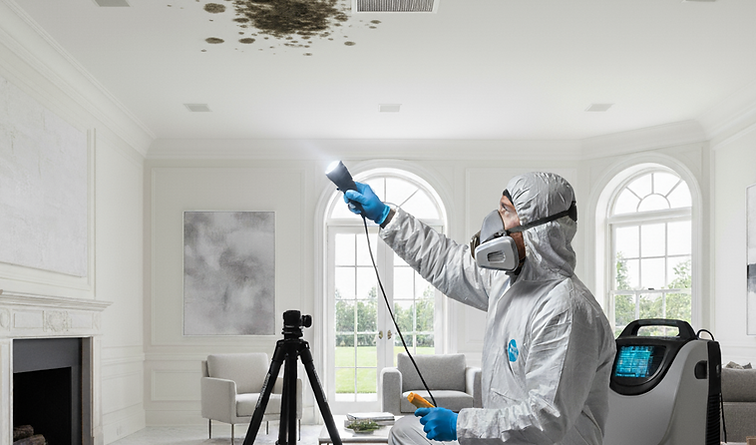
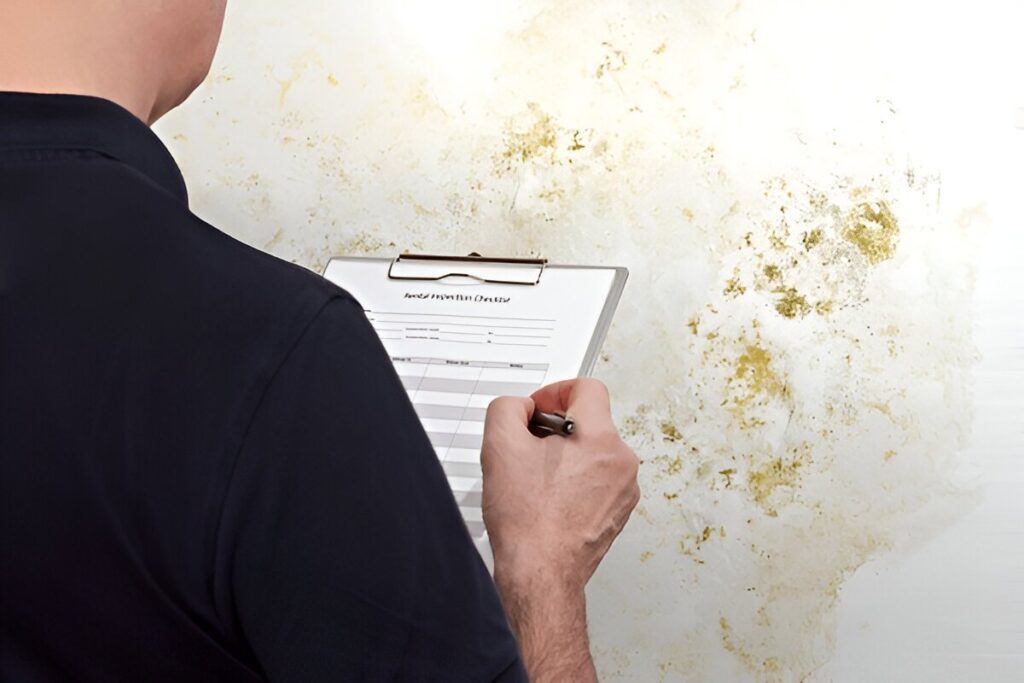
A thorough mold inspection is crucial for identifying the extent of mold growth and determining the best course of action for remediation.
Steps for a Successful Mold Inspection
- Visual Assessment: Inspect areas prone to moisture, such as basements, attics, and bathrooms.
- Moisture Measurement: Use a moisture meter to identify areas with elevated humidity levels.
- Sample Collection: If mold is suspected, collect samples for testing.
Hiring a Professional Inspector
While DIY inspections can be effective, hiring a professional mold inspector can provide a more comprehensive assessment. Professionals have the tools and expertise to identify hidden mold and recommend appropriate remediation strategies.
Mold Removal Techniques
Once mold is detected, prompt removal is essential to prevent further growth and health risks. Here are some effective techniques for mold removal:
DIY Mold Removal
For small areas of mold, homeowners can use the following methods:
- Soap and Water: A mixture of soap and water can effectively clean small mold patches.
- Vinegar: White vinegar is a natural mold killer that can be sprayed directly onto affected areas.
- Baking Soda: This can be used to scrub mold off surfaces and eliminate odors.
Professional Mold Remediation
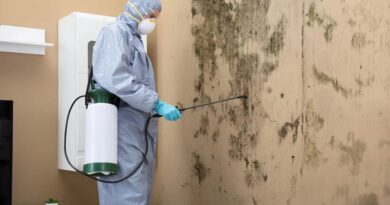
For larger infestations, professional remediation services are recommended. These services typically include:
- Containment: Sealing off affected areas to prevent mold spores from spreading.
- Removal: Safely removing contaminated materials and disposing of them properly.
- Cleaning and Disinfecting: Using specialized equipment to clean and disinfect the area.
Advanced Mold Remediation Techniques
In addition to traditional removal methods, advanced techniques can enhance the effectiveness of mold remediation.
Dry Fogging Technology
Dry fogging is an innovative method that uses fog to penetrate hard-to-reach areas, ensuring thorough mold removal. This technique is particularly effective in:
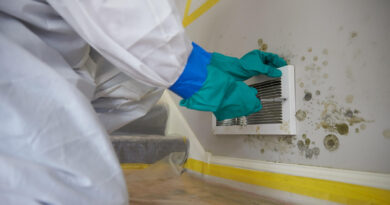
- HVAC systems
- Behind walls
- In attics and crawl spaces
Chemical-Free Solutions
Many homeowners are concerned about the use of harsh chemicals in mold remediation. Eco-friendly products are now available that effectively eliminate mold without harmful side effects. These products often use natural ingredients to target mold spores.
Preventing Future Mold Growth
Once mold has been removed, it’s crucial to implement preventive measures to avoid future infestations.
Control Humidity Levels
Maintaining indoor humidity levels between 30-50% can significantly reduce the risk of mold growth. Here are some tips:
- Use Dehumidifiers: Especially in basements and bathrooms.
- Ventilate: Ensure proper ventilation in high-moisture areas.
- Fix Leaks Promptly: Address any plumbing or roofing issues immediately.
Regular Maintenance
Regular home maintenance can help prevent mold growth. Consider the following:
- Inspect Roofs and Gutters: Ensure they are clear of debris and functioning properly.
- Check for Water Damage: Regularly inspect walls and ceilings for signs of water damage.
- Clean and Maintain HVAC Systems: Regularly change filters and clean ducts to prevent mold spores from circulating.
Recognizing Signs of Mold
Being aware of the signs of mold can help homeowners take action before a small problem becomes a major issue.
Common Indicators of Mold Presence
- Musty Odors: A persistent musty smell often indicates mold growth.
- Visible Mold: Dark spots or discoloration on walls, ceilings, or floors.
- Health Symptoms: Unexplained respiratory issues or allergic reactions among occupants.
When to Seek Professional Help
If you notice any of the above signs, it may be time to consult a professional mold remediation service. They can provide a thorough assessment and recommend appropriate actions.
The Role of Homeowners in Mold Management
Homeowners play a crucial role in managing mold in their homes. By being proactive and informed, they can significantly reduce the risk of mold growth.
Educating Yourself and Your Family
Understanding the causes and effects of mold can empower homeowners to take action. Consider the following:
- Stay Informed: Keep up with the latest information on mold prevention and remediation.
- Involve Family Members: Educate everyone in the household about the importance of mold management.
Creating a Mold Management Plan
Developing a mold management plan can help homeowners stay organized and proactive. This plan should include:
- Regular Inspections: Schedule routine checks for mold in high-risk areas.
- Emergency Contacts: Have a list of professionals to contact in case of mold issues.
- Maintenance Schedule: Create a timeline for regular home maintenance tasks.
Conclusion
Mold is a serious issue that requires attention and action from homeowners. By understanding the causes of mold growth, implementing effective testing and removal strategies, and taking preventive measures, homeowners can create a safe and healthy living environment. Regular inspections, education, and proactive management are key to ensuring that mold does not become a persistent problem in your home. By following the guidelines outlined in this guide, you can protect your home and your family from the dangers of mold.
For more information about Mold Remediation Union NJ contact Us:
Green Guard Mold Remediation Of Union
Address: 1620 US-22, Union, NJ 07083, United States
Phone: +1 908-263-1697
Email:info@greenguardmoldremediationunion.com