Signs Your Home May Have Hidden Mold Problems
Most people imagine mold as those obvious black patches spreading across a bathroom wall or the fuzzy green stuff on forgotten bread. But here’s the uncomfortable truth the mold you can’t see is often the mold doing the most damage.
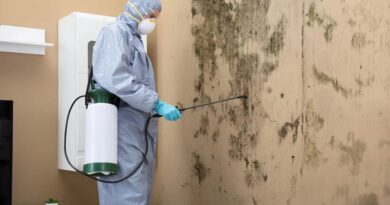
Hidden mold is sneaky. It grows inside walls, under flooring, behind appliances, and in places you’d never think to look such conditions can only be cured by opting for the mold remediation services for getting rid of this problem . By the time it reveals itself, it may have already been there for months, quietly affecting your health and eating away at your home’s structure. Knowing the early warning signs can save you a lot of grief and money.
You Keep Getting Sick (and Can’t Figure Out Why)
This is usually the first clue people miss, because it’s so easy to blame on allergies, a cold, or just being run-down. But if you or someone in your household is dealing with persistent sneezing, a runny nose, itchy eyes, or a scratchy throat especially when you’re at home but not when you’re out — that pattern is worth paying attention to.
Mold releases microscopic spores into the air that your lungs really don’t appreciate. For people with asthma or existing respiratory conditions, the reaction can be more serious: wheezing, shortness of breath, even frequent respiratory infections. Children and the elderly tend to be more sensitive too.
The telltale sign? Your symptoms get better when you leave the house and come back when you return. That’s your home trying to tell you something.
There’s a Smell You Can’t Track Down
You know that damp, earthy, slightly musty smell? Some people describe it as old books, or a basement that hasn’t been aired out in years. If that smell keeps showing up in certain rooms — or throughout the whole house — and you can’t find a source, mold is a very likely culprit.
The frustrating thing is that hidden mold often smells strongest through walls, vents, or around baseboards. You might notice it more when your HVAC system kicks on, because the air movement stirs things up. If you’ve cleaned thoroughly and the smell returns within a day or two, that’s a strong indicator the problem is behind a surface somewhere.
You’ve Had Water Issues in the Past
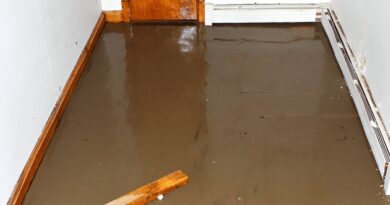
This one seems obvious, but people underestimate it all the time. Had a pipe burst last year? A roof leak you patched up? Flooding from a storm? Even if you dried everything out as quickly as you could, mold can begin growing within 24 to 48 hours and it doesn’t need much to get started. A little residual moisture inside a wall cavity is more than enough.
Water damage that wasn’t professionally dried and treated is basically an open invitation. If your home has any history of leaks, flooding, or even consistent high humidity, there’s a real chance mold has taken hold somewhere out of sight.
Your Walls or Ceilings Look a Little… Off
Hidden mold often announces itself through subtle visual clues before it breaks through the surface. Look for:
Discoloration — Yellowish, brownish, or grayish stains on walls or ceilings, especially in corners or near windows and vents.
Bubbling or peeling paint — When moisture is trapped behind a wall, it pushes paint away from the surface. This is often a sign that something wet is behind there.
Warped or buckled drywall — Drywall absorbs moisture like a sponge. If sections look swollen, soft, or bowed, that’s a red flag.
Dark spots along baseboards — Especially in bathrooms, kitchens, or laundry rooms. These areas are prone to moisture and are common hiding spots for mold.
Don’t ignore these signs just because they look minor. What shows on the surface is often just a fraction of what’s happening inside.
Your Floors Feel Soft or Springy in Spots
Walk slowly through your home and pay attention to how the floors feel underfoot. If certain spots feel softer than usual — like there’s a slight give when you step on them — that can indicate moisture damage and mold beneath the surface.
This is especially common with hardwood floors and laminate, which can absorb moisture and begin to delaminate or warp from underneath. Bathroom floors are a frequent problem area, particularly around the toilet base, bathtub, and sink. Tiles that feel loose or grout that keeps cracking can also point to underlying moisture issues.
Your HVAC System Is Spreading the Problem
If mold gets into your heating and cooling system, it hitches a free ride throughout your entire home every time the system runs. Signs to watch for include a musty smell when the heat or air conditioning turns on, visible dark dust around your vents, or allergy symptoms that seem worse when the system is running.
Ductwork that was ever exposed to moisture or HVAC units that weren’t properly maintained can harbor significant mold growth that spreads spores continuously. If you haven’t had your ducts inspected in several years, it might be worth a professional look.
Condensation Is Constantly Forming on Surfaces
A little condensation on a cold glass is normal. Persistent condensation on your windows, walls, or pipes is not. When you regularly see moisture beading up on interior surfaces, it means your home’s humidity levels are too high and high humidity is exactly what mold needs to thrive.
Pay close attention to windows in bedrooms where people sleep, since breathing adds moisture to the air overnight. Cold exterior walls in winter and poorly insulated pipes year-round are also common condensation spots. If you’re wiping down the same surfaces repeatedly, something needs to change before mold takes advantage.
What to Do If You Suspect Hidden Mold
First, don’t panic but do take it seriously. Here are some practical steps:
Trust your nose. If it smells musty and you can’t find a source, call a professional inspector rather than just covering it up.
Don’t just paint over stains. Mold-blocking paint might mask the problem temporarily, but it won’t solve it.
Check the usual suspects. Behind washing machines and refrigerators, under bathroom and kitchen sinks, around water heaters, in attics and crawlspaces, and inside closets on exterior walls these are the places mold loves to hide.
Consider a professional mold inspection. Certified inspectors can use moisture meters and air quality testing to detect mold that’s completely invisible to the naked eye.
Fix moisture first. Even if you get the mold removed, it will come back unless the underlying moisture problem is resolved. No moisture source = no mold.
The Bottom Line
Mold doesn’t always announce itself. More often, it hides and waits while giving off clues a persistent smell, vague health symptoms, subtle changes in how your walls or floors look and feel. The homes most at risk are ones that have dealt with water damage, have poor ventilation, or experience consistently high humidity.
The best thing you can do is stay observant and not dismiss the early signs as minor inconveniences. Catching a mold problem early almost always means less damage, lower remediation costs, and a healthier home for everyone living in it.
For More Information about Hidden Mold Problems Contact us :
Business Name: Green Guard Mold Remediation of Edison
Address: 6 Kilmer Rd, Edison, NJ 08817, United States
Phone: 908-762-8046
Email: info@greenguardmoldremediationedison.com
Website: https://greenguardmoldremediationedison.com/