
How to Detect Mold Early: Warning Signs You Should Never Ignore
Mold can be a silent intruder in your home, often lurking in hidden corners and behind walls, making it crucial for homeowners to be vigilant. Early Detection is key to Preventing Mold in Plainfield from becoming a significant problem that can affect both your health and the structural integrity of your home. This article will explore the various signs of mold that you should never overlook, along with practical tips for Prevention and Remediation.
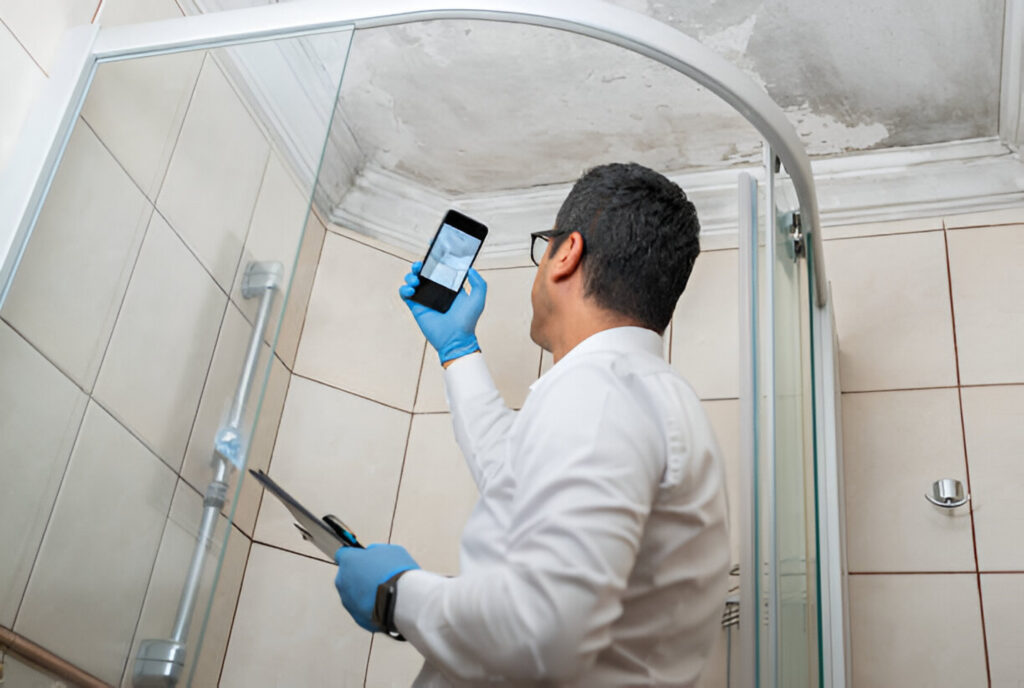
Understanding Mold: What You Need to Know
Mold is a type of fungus that thrives in damp environments. It reproduces through spores that can easily become airborne, making it a common issue in many households. Mold requires three essential conditions to grow: moisture, warmth, and organic material. Understanding these factors can help you identify potential problem areas in your home.
The Health Risks of Mold
Exposure to mold can lead to various health issues, particularly for individuals with allergies, asthma, or weakened immune systems. Symptoms may include:
- Respiratory Issues: Coughing, wheezing, and difficulty breathing.
- Allergic Reactions: Sneezing, itchy eyes, and skin rashes.
- Neurological Symptoms: In some cases, exposure to toxic mold can lead to more severe health problems, including fatigue and cognitive difficulties.
Common Types of Mold
While there are many types of mold, some of the most common indoor varieties include:
- Aspergillus: Often found in damp areas, it can cause respiratory issues.
- Cladosporium: Typically appears as dark green or black spots and can trigger allergies.
- Stachybotrys (Black Mold): Known for its toxic properties, it can lead to serious health complications.
Early Warning Signs of Mold
Recognizing the early signs of mold can save you from extensive damage and health risks. Here are some key indicators to watch for:
Persistent Musty Odors
One of the first signs of mold presence is a musty smell. This odor is often described as earthy or damp and can be particularly strong in areas like basements, bathrooms, or around vents. If you notice a lingering musty scent, it may indicate hidden mold growth.
Visible Discoloration
Mold can manifest in various colors, including black, green, white, or even pink. Look for discoloration on walls, ceilings, and floors, especially in moisture-prone areas such as:
- Under sinks
- Around windows
- In corners where condensation tends to accumulate
Allergic Reactions
If you or your family members experience unexplained allergy symptoms that improve when you leave the house, mold could be the culprit. Common symptoms include:
- Sneezing
- Watery eyes
- Skin irritations
Bubbling Paint or Wallpaper
Moisture trapped behind walls can cause paint to bubble or wallpaper to peel. This is often a sign of hidden mold growth and should be addressed immediately to prevent further damage.
Water Damage History
If your home has recently experienced flooding, leaks, or other water-related issues, the risk of mold growth increases significantly. Mold can begin to develop within 24 to 48 hours after moisture exposure, making prompt action essential.
Warped or Soft Surfaces
Check for any warped or soft surfaces in your home, such as floors that feel spongy or walls that seem crumbly. These changes often indicate long-term moisture damage, which can lead to mold infestations.
Areas of Your Home to Inspect
Certain areas in your home are more susceptible to mold growth due to higher humidity levels and moisture exposure. Here are some key locations to inspect regularly:
Bathrooms
Bathrooms are often humid environments, making them prime locations for mold growth. Pay special attention to:
- Shower curtains and tiles
- Under sinks
- Around faucets
Kitchens
Kitchens can also harbor mold due to cooking and cleaning activities. Check for:
- Leaks under the sink
- Condensation around windows
- The refrigerator drip pan
Basements and Crawl Spaces
These areas are notorious for poor ventilation and high humidity. Look for:
- Efflorescence (a white, powdery substance on walls)
- Condensation on pipes
- Signs of water seepage
Attics
Attics can be a hidden source of mold due to rising warm air and poor ventilation. Inspect for:
- Roof leaks
- Discolored insulation
- Signs of moisture on the roof sheathing
Prevention Strategies
Preventing mold growth is often easier than dealing with a full-blown infestation. Here are some effective strategies to keep mold at bay:
Control Humidity Levels
Maintaining indoor humidity below 50% is crucial for mold prevention. Use dehumidifiers in damp areas and ensure proper ventilation in high-moisture rooms.
Fix Leaks Promptly
Address any leaks in your plumbing or roofing immediately. Even small leaks can lead to significant moisture buildup over time.
Improve Ventilation
Ensure that your home is well-ventilated, especially in areas prone to moisture. Use exhaust fans in bathrooms and kitchens to help reduce humidity levels.
Use Mold-Resistant Materials
When renovating or building, consider using mold-resistant materials such as drywall and paints. These can help prevent mold growth in vulnerable areas.
Regular Inspections
Conduct regular inspections of your home, especially in high-risk areas. Look for signs of moisture, leaks, or discoloration, and address any issues promptly.
What to Do If You Find Mold
If you discover mold in your home, it’s essential to take immediate action. Here’s a step-by-step guide on how to handle the situation:
Assess the Extent of the Problem
Determine how extensive the mold growth is. If it’s a small area (less than 10 square feet), you may be able to handle it yourself. For larger infestations, consider hiring a professional.
Wear Protective Gear
When dealing with mold, always wear protective gear, including gloves, masks, and goggles, to avoid inhaling spores or coming into contact with mold.
Clean Small Areas
For small patches of mold, you can use a mixture of water and detergent to clean the affected area. Allow the solution to sit for a few hours before scrubbing and rinsing.
Seek Professional Help
If the mold covers a large area, is causing health issues, or if you’re unsure how to handle it safely, it’s best to call in professionals. They have the expertise and equipment to effectively remediate the problem.
The Importance of Professional Mold Remediation
While DIY methods can be effective for small mold issues, professional remediation is often necessary for larger infestations. Here’s why:
Expertise and Equipment
Professional mold remediation companies have specialized training and equipment to identify and eliminate mold effectively. They can also conduct thorough inspections to ensure that all mold is removed.
Safety Measures
Professionals follow strict safety protocols to prevent the spread of mold spores during the remediation process. This includes isolating the affected area and using HEPA-filtered air scrubbers.
Long-Term Solutions
A professional service can provide long-term solutions to prevent mold from returning. This may include recommendations for improving ventilation, moisture control, and using mold-resistant materials.
Conclusion
Detecting mold early is crucial for maintaining a healthy home environment. By being aware of the warning signs and taking proactive measures, you can protect your family’s health and preserve the integrity of your property. Regular inspections, moisture control, and prompt action can help you stay ahead of mold growth, ensuring your home remains a safe haven for years to come.
For more information about Mold Remediation in Plainfield, NJ Contact us:
Company: Green Guard Mold Remediation Plainfield
Address: 321 E 3rd St, Plainfield, NJ 07060
Call us:+1 888-793-7963
