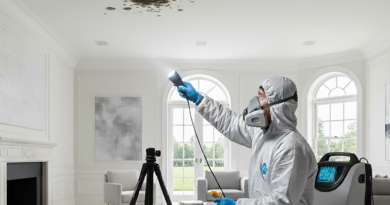
What to Expect During a Professional Mold Inspection and Remediation Process
Mold growth in homes and businesses can lead to significant health risks and property damage. Understanding the Mold inspection and remediation process is crucial for homeowners and property managers in New Brunswick. This article will guide you through what to expect during a professional mold inspection and the subsequent remediation process, ensuring you are well-informed and prepared.
Understanding Mold and Its Risks
Mold is a type of fungus that thrives in damp environments. It can be found both indoors and outdoors, and its spores are microscopic, making them difficult to detect without proper inspection. Mold can produce allergens and irritants that may lead to various health issues, including respiratory problems, allergic reactions, and other serious conditions.
Common Causes of Mold Growth
Mold typically flourishes in areas with high humidity and moisture. Here are some common causes:
- Water Intrusion: Leaks from roofs, plumbing, or flooding can create ideal conditions for mold growth.
- Poor Ventilation: Inadequate airflow can trap moisture indoors, promoting mold development.
- Condensation: High humidity levels can lead to condensation on surfaces, providing moisture for mold.
Health Implications of Mold Exposure
Exposure to mold can lead to various health issues, particularly for individuals with pre-existing conditions. Common symptoms include:
- Coughing and sneezing
- Skin irritation
- Eye irritation
- Respiratory issues
Understanding these risks emphasizes the importance of timely mold inspections and remediation.
The Importance of Professional Mold Inspections
When you suspect mold in your property, the first step is to conduct a thorough inspection. Professional mold inspectors are trained to identify mold growth and assess the extent of the problem.
Why You Should Hire a Professional
While DIY inspections may seem tempting, they often miss hidden mold and moisture sources. Professional inspectors utilize specialized tools and techniques to ensure a comprehensive evaluation. Here are some reasons to hire a professional:
- Expertise: Certified inspectors have the knowledge and experience to identify mold types and assess health risks.
- Advanced Tools: Professionals use moisture meters, thermal imaging cameras, and air sampling equipment to detect mold and moisture levels accurately.
- Comprehensive Reporting: A professional inspection provides a detailed report outlining findings and recommendations for remediation.
What to Expect During a Mold Inspection
A professional mold inspection typically follows a structured process. Here’s what you can expect:
Initial Consultation
The inspection begins with a consultation where the inspector will ask questions about your concerns, previous water damage, and any visible signs of mold. This information helps them tailor their inspection approach.
Visual Inspection
The inspector will conduct a thorough walkthrough of your property, focusing on areas prone to moisture, such as:
- Basements and crawl spaces
- Bathrooms and kitchens
- Around windows and doors
During this phase, they will look for visible mold, water stains, and signs of moisture.
Moisture Assessment
Using specialized tools, the inspector will measure moisture levels in various building materials. High moisture readings can indicate hidden mold growth. Common tools include:
- Moisture Meters: These devices measure moisture content in walls and other surfaces.
- Thermal Imaging Cameras: These cameras detect temperature variations that may indicate moisture accumulation.
Air Quality Testing
To assess indoor air quality, the inspector may take air samples. These samples are analyzed in a laboratory to identify mold spores and their concentrations. This step is crucial for understanding the extent of mold contamination.
Detailed Reporting
After the inspection, the inspector will provide a comprehensive report detailing their findings, including:
- Areas of concern
- Types of mold identified
- Recommendations for remediation
This report serves as a roadmap for the next steps in the remediation process.
The Mold Remediation Process
Once the inspection is complete and mold has been identified, the next step is remediation. This process involves removing mold and addressing the underlying moisture issues to prevent future growth.
Step 1: Containment
To prevent mold spores from spreading during the remediation process, the affected area will be contained. This may involve:
- Sealing off the area with plastic sheeting
- Using negative air pressure machines to filter air
Containment is crucial to protect other areas of your home or business from contamination.
Step 2: Air Filtration
During remediation, specialized air filtration equipment is used to capture airborne mold spores. This equipment includes:
- Air Scrubbers: These devices filter out mold spores and other contaminants from the air.
- HEPA Vacuums: High-Efficiency Particulate Air vacuums are used to clean surfaces and remove mold spores effectively.
Step 3: Mold Removal
The actual removal of mold involves several techniques, depending on the extent of the growth:
- Surface Cleaning: Non-porous surfaces may be cleaned with antimicrobial solutions.
- Material Removal: In cases of extensive mold growth, porous materials like drywall or carpeting may need to be removed and replaced.
Step 4: Cleaning and Sanitizing
After mold removal, the affected areas will be thoroughly cleaned and sanitized. This process may include:
- Cleaning furniture and belongings
- Deodorizing the area to eliminate musty odors
- Using fogging equipment to ensure all surfaces are treated
Step 5: Restoration
Once the mold has been removed and the area cleaned, restoration work may be necessary. This can involve:
- Repairing or replacing damaged building materials
- Painting and finishing surfaces
- Ensuring proper ventilation to prevent future mold growth
Post-Remediation Inspection
After the remediation process is complete, a follow-up inspection is essential to ensure that the mold has been effectively removed and that the environment is safe.
Quality Assurance
During the post-remediation inspection, the inspector will:
- Check for any remaining signs of mold
- Measure moisture levels to ensure they are within acceptable ranges
- Conduct air quality testing to confirm that mold spores are no longer present
Final Report
The inspector will provide a final report detailing the results of the post-remediation inspection. This report serves as documentation that the mold issue has been addressed and the property is safe for occupancy.
Preventing Future Mold Growth
After remediation, it’s crucial to take steps to prevent mold from returning. Here are some effective strategies:
Control Humidity Levels
Maintaining indoor humidity below 45% is essential for preventing mold growth. Consider using:
- Dehumidifiers: These devices help reduce moisture levels in the air.
- Ventilation: Ensure proper airflow in areas prone to moisture, such as bathrooms and kitchens.
Address Water Issues Promptly
If you notice leaks or water damage, address them immediately. This includes:
- Repairing plumbing leaks
- Ensuring proper drainage around your property
- Regularly inspecting your roof for damage
Regular Inspections
Conducting regular inspections can help catch mold growth early. Consider scheduling annual inspections, especially if your property has a history of water issues.
Conclusion
Understanding the mold inspection and remediation process is vital for maintaining a safe and healthy environment in your home or business. By hiring professionals, you can ensure a thorough inspection and effective remediation, reducing the risk of mold-related health issues and property damage. Remember to take proactive steps to prevent future mold growth, ensuring your space remains safe and comfortable for years to come.
For more information about air quality testing services in New Jersey, contact us:
Business Name: New Jersey Mold Specialist
Address: 92 Bayard St #203, New Brunswick, NJ 08901
call us: (732) 973-9352
Email: info@njmoldspecialist.com
Website: https://njmoldspecialist.com/