Top Health Symptoms Caused by Mold Exposure You Should Never Ignore
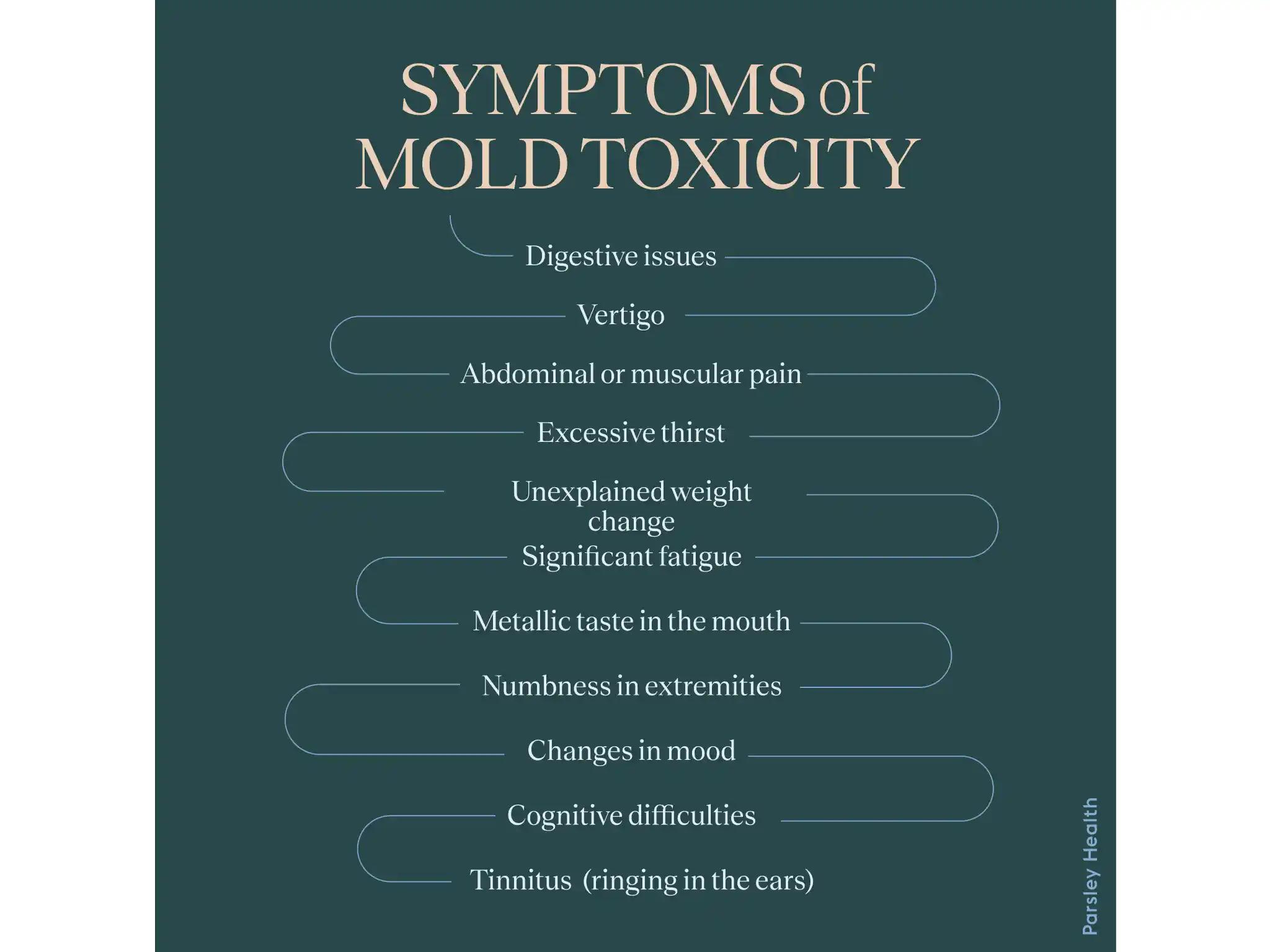
Mold exposure is a common yet often overlooked issue that can lead to a variety of health problems. Many individuals may not realize that the damp environments they inhabit—be it their homes, workplaces, or even public spaces—can harbor mold spores that pose significant health risks. Understanding the symptoms associated with Mold exposure is crucial for early detection and intervention.This article delves into the top health symptoms caused by mold exposure that you should never ignore.
Understanding Mold and Its Impact on Health
Mold is a type of fungus that thrives in moist environments. It can grow on various surfaces, including wood, paper, and even food. While mold is a natural part of the environment, excessive exposure can lead to health complications. Mold spores can be inhaled or come into contact with the skin, triggering a range of symptoms that can vary from mild to severe.
Types of Mold
There are several types of mold, each with its own potential health effects. The most common types include:
- Allergenic Mold: This type can cause allergic reactions in sensitive individuals. Common examples include Alternaria and Aspergillus.
- Toxigenic Mold: This mold produces mycotoxins that can lead to serious health issues. Stachybotrys chartarum, often referred to as black mold, falls into this category.
- Pathogenic Mold: This type can cause infections, particularly in individuals with weakened immune systems.
How Mold Affects Health
Mold exposure can lead to various health problems, primarily affecting the respiratory system, skin, and immune system. The severity of symptoms often depends on the individual’s sensitivity to mold, the type of mold present, and the duration of exposure.
Respiratory Symptoms
One of the most common health issues associated with mold exposure is respiratory problems. Mold spores can irritate the airways, leading to a range of symptoms.
Common Respiratory Symptoms
- Coughing: Persistent coughing can occur as the body attempts to clear the airways of mold spores.
- Wheezing: This high-pitched sound during breathing is often a sign of airway constriction.
- Shortness of Breath: Individuals may experience difficulty breathing, especially during physical activity.
- Chest Tightness: A feeling of pressure in the chest can indicate inflammation in the airways.
Asthma and Mold
For individuals with asthma, mold exposure can exacerbate symptoms. Research indicates that damp indoor environments are linked to increased asthma attacks. Those with pre-existing asthma may find their condition worsened by mold exposure, leading to more frequent and severe episodes.
Allergic Reactions
Mold can trigger allergic reactions in sensitive individuals, leading to a variety of symptoms that can mimic other conditions.
Symptoms of Mold Allergy
- Sneezing: Frequent sneezing can occur as the body reacts to inhaled mold spores.
- Nasal Congestion: Blocked nasal passages can lead to discomfort and difficulty breathing through the nose.
- Itchy Eyes: Allergic conjunctivitis can result in red, itchy, and watery eyes.
- Skin Rashes: Contact with mold can lead to skin irritation and rashes, particularly in sensitive individuals.
Diagnosing Mold Allergy
Diagnosis typically involves a combination of medical history, physical examination, and allergy testing. Identifying mold as a trigger can help individuals manage their symptoms more effectively.
Neurological Symptoms
Mold exposure can also affect cognitive function and mental health. Some individuals report experiencing neurological symptoms that can significantly impact their quality of life.
Common Neurological Symptoms
- Brain Fog: This term describes a feeling of mental cloudiness, making it difficult to concentrate or think clearly.
- Memory Issues: Some individuals may experience short-term memory loss or difficulty recalling information.
- Mood Changes: Anxiety, depression, and irritability can arise in response to mold exposure, potentially due to the body’s inflammatory response.
The Role of Mycotoxins
Certain molds produce mycotoxins, which can have neurotoxic effects. Research suggests that prolonged exposure to these toxins may lead to cognitive decline and other neurological issues.
Fatigue and General Malaise
Chronic fatigue is another symptom frequently reported by individuals exposed to mold. This can manifest as a persistent feeling of tiredness that does not improve with rest.
Symptoms of Fatigue
- Exhaustion: A general sense of tiredness that can interfere with daily activities.
- Sleep Disturbances: Individuals may experience difficulty falling asleep or staying asleep, leading to further fatigue.
- Lack of Motivation: A decrease in energy can lead to a lack of interest in previously enjoyed activities.
Understanding Chronic Fatigue Syndrome
In some cases, mold exposure may contribute to chronic fatigue syndrome (CFS), a complex disorder characterized by extreme fatigue that lasts for six months or longer. Identifying mold as a potential trigger can be crucial for effective management.
Skin Irritations
Skin reactions are common among individuals exposed to mold, particularly for those with sensitivities.
Types of Skin Reactions
- Rashes: Red, itchy rashes can develop upon contact with mold or mold-infested materials.
- Eczema: Individuals with a history of eczema may find their symptoms exacerbated by mold exposure.
- Hives: Raised, itchy welts can appear as an allergic reaction to mold.
Managing Skin Symptoms
Avoiding contact with mold and using topical treatments can help alleviate skin irritations. In severe cases, consulting a dermatologist may be necessary.
Gastrointestinal Issues
Mold exposure can also lead to gastrointestinal symptoms, particularly in individuals with sensitivities or compromised immune systems.
Common Gastrointestinal Symptoms
- Nausea: A feeling of queasiness can occur, particularly after exposure to moldy environments.
- Diarrhea: Some individuals may experience digestive disturbances, including diarrhea.
- Abdominal Pain: Cramping and discomfort in the abdominal area can arise as a response to mold exposure.
The Importance of Gut Health
Maintaining a healthy gut is essential for overall well-being. Mold exposure can disrupt gut health, leading to a range of digestive issues. Probiotics and a balanced diet may help restore gut flora.
Hypersensitivity Pneumonitis
Hypersensitivity pneumonitis is an immune-mediated condition that can occur in response to mold exposure. It involves inflammation of the lungs and can lead to serious health complications if left untreated.
Symptoms of Hypersensitivity Pneumonitis
- Coughing: A persistent cough is a common symptom.
- Shortness of Breath: Difficulty breathing can occur, particularly during physical exertion.
- Fever and Chills: Some individuals may experience flu-like symptoms, including fever and chills.
Diagnosis and Treatment
Diagnosis typically involves a thorough medical history, physical examination, and imaging studies. Treatment may include avoiding exposure to mold and using anti-inflammatory medications.
Long-Term Health Effects
Prolonged exposure to mold can lead to chronic health issues that may persist even after the source of exposure is removed.
Chronic Respiratory Conditions
Individuals with a history of mold exposure may develop chronic respiratory conditions, such as chronic obstructive pulmonary disease (COPD) or chronic bronchitis.
Autoimmune Disorders
Some research suggests a potential link between mold exposure and the development of autoimmune disorders. Individuals with a predisposition to autoimmune conditions may be at higher risk.
Prevention and Mitigation
Preventing mold exposure is crucial for maintaining health. Here are some effective strategies:
Home Maintenance
- Regular Inspections: Check for leaks and water damage in your home.
- Ventilation: Ensure proper ventilation in areas prone to moisture, such as bathrooms and kitchens.
- Dehumidifiers: Use dehumidifiers in damp areas to reduce humidity levels.
Workplace Safety
- Air Quality Monitoring: Regularly assess air quality in the workplace to identify potential mold growth.
- Prompt Repairs: Address any plumbing or structural issues that could lead to mold growth.
When to Seek Medical Attention
If you experience persistent symptoms that you suspect may be related to mold exposure, it is essential to seek medical attention. Early intervention can help prevent long-term health complications.
Signs to Watch For
- Worsening Symptoms: If your symptoms worsen or do not improve with treatment.
- New Symptoms: The emergence of new symptoms that coincide with mold exposure.
- Severe Reactions: Difficulty breathing, chest pain, or severe allergic reactions warrant immediate medical attention.
Conclusion
Mold exposure can lead to a wide range of health symptoms that should never be ignored. From respiratory issues to neurological symptoms, understanding the potential effects of mold on health is crucial for Early detection and intervention. By taking proactive measures to Prevent mold growth and seeking medical attention when necessary, individuals can protect their health and well-being. If you suspect mold exposure is affecting your health, consult a healthcare professional for guidance and support.
For More information about Mold Remediation Services in Elizabeth NJ, Contacts us:
Business Name: Green Guard Mold Specialist Elizabeth
Address: 919 S Elmora Ave, Elizabeth, NJ 07202
Phone: 888-861-7846
Email: info@greenguardmoldelizabeth.com
Website: https://greenguardmoldelizabeth.com/