The Connection Between Mold Growth and Respiratory Problems
There’s a musty smell in the corner of the basement. A faint discoloration creeping along the bathroom ceiling. Most of us brush it off — a little mold never hurt anyone, right? As it turns out, that assumption could be quietly costing you your health.
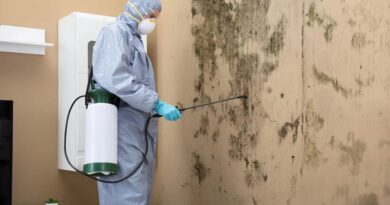
Mold is far more than an aesthetic nuisance. For millions of people around the world, it is an invisible trigger behind persistent coughs, worsening asthma, chronic sinus infections, and breathing difficulties that never quite seem to go away. Understanding why mold affects the respiratory system — and what you can do about it — starts with understanding what mold actually is and start acting on it seriously by opting up for mold remediation services.
What Mold Really Is
Mold is a type of fungus. It reproduces by releasing tiny spores into the air — spores so small that you can inhale dozens of them with a single breath without realizing it. These spores are everywhere outdoors, and in small amounts, they’re generally harmless. The trouble begins when mold finds its way inside your home and starts to grow.
All mold needs to thrive is moisture, a surface to grow on, and relatively warm temperatures. Leaky roofs, poor ventilation, flooded basements, and even everyday condensation can create exactly the right conditions. Once mold takes hold — behind drywall, under flooring, on ceiling tiles, inside air ducts — it can spread quietly and extensively before you ever notice a visible patch.
The most common indoor molds include Cladosporium, Penicillium, Aspergillus, and the one that gets the most media attention: Stachybotrys chartarum, commonly known as black mold. Each variety has its own characteristics, but all of them release spores and, in many cases, mycotoxins — chemical byproducts that can be genuinely harmful to human health.
How Mold Gets Into Your Lungs
When mold spores become airborne, they travel easily through enclosed spaces. You breathe them in, and depending on their size, they land at different points in your respiratory tract. Larger spores tend to get caught in the nose and upper airways. Smaller ones — the more dangerous kind — can travel deep into the bronchial tubes and even reach the alveoli, the tiny air sacs in your lungs where oxygen and carbon dioxide are exchanged.
Once inside, the body’s immune system kicks in. For most healthy adults, this process works efficiently: the immune system identifies the spores as foreign material, triggers an inflammatory response, and clears them out. But for people who are sensitive or allergic to mold, or who have pre-existing respiratory conditions, that immune response can become disproportionate — and that’s where the real problems begin.
The Respiratory Conditions Mold Can Cause or Worsen
Allergic Rhinitis and Sinusitis
One of the most common mold-related health complaints is persistent nasal congestion, sneezing, runny nose, and itchy eyes — a constellation of symptoms that doctors call allergic rhinitis. Many people spend years treating what they assume is seasonal hay fever, only to discover they’re actually reacting to mold spores inside their own home.
Chronic sinusitis — infection or inflammation of the sinuses lasting more than twelve weeks — has also been linked to mold exposure. The sinuses can become a kind of reservoir where mold spores settle and repeatedly trigger inflammation.
Asthma
Mold is one of the most well-established triggers of asthma attacks. For people who already have asthma, breathing in mold spores can cause the airways to narrow and swell, leading to wheezing, chest tightness, and shortness of breath. In severe cases, mold exposure can trigger attacks that require emergency medical attention.
Research has also suggested that mold exposure in early childhood may actually contribute to the development of asthma in children who might otherwise never have developed it — particularly in homes with significant dampness or water damage.
Hypersensitivity Pneumonitis
This one is less commonly discussed but can be serious. Hypersensitivity pneumonitis is an immune-mediated inflammation of the lungs caused by repeated inhalation of organic particles — including certain types of mold. The lungs become sensitized over time, and what starts as flu-like symptoms (fatigue, chills, shortness of breath) can progress to chronic lung disease if the exposure isn’t stopped.
Fungal Infections of the Lungs
In people with significantly weakened immune systems — such as those undergoing chemotherapy, organ transplant recipients, or individuals with HIV/AIDS — inhaled mold spores can actually establish an infection in the lungs. Aspergillus mold, for example, can cause a condition called aspergillosis, which ranges from allergic reactions to invasive, life-threatening lung infections. This isn’t a concern for the average healthy person, but for immunocompromised individuals, indoor mold is a serious medical risk.
Who Is Most Vulnerable?
Not everyone exposed to indoor mold will develop respiratory problems. A lot depends on the type and quantity of mold, the duration of exposure, and the individual’s own biology. That said, some groups face significantly higher risk:
- People with allergies — Those with pre-existing allergies are far more likely to react to mold spores, even at lower concentrations.
- People with asthma — Mold is one of the most potent asthma triggers, and even brief exposures can provoke severe symptoms.
- Young children — Their immune systems are still developing, and their lungs are proportionally smaller, making mold exposure potentially more impactful.
- Elderly individuals — Aging naturally weakens immune function, reducing the body’s ability to deal with environmental insults like mold.
- Immunocompromised individuals — As noted above, fungal infections of the lungs are a real risk for this group.
- People with COPD or other chronic lung diseases — Mold exposure can accelerate decline and trigger exacerbations.
It’s also worth noting that socioeconomic factors play a role. People living in older housing, rentals with deferred maintenance, or homes without adequate heating and ventilation are disproportionately exposed to mold — and often have less power to quickly address it.
Recognizing the Signs
One of the reasons mold-related illness often goes undiagnosed for so long is that the symptoms overlap heavily with other common conditions. Persistent cold-like symptoms, a cough that won’t quit, unexplained fatigue, headaches, or difficulty breathing that seems worse at home than elsewhere — these can all be signs that indoor mold is involved.
A useful clue: if your symptoms improve significantly when you spend time away from home — on vacation, or even just a few days at a friend’s place — and then return when you come back, mold (or another indoor air quality problem) is worth investigating.
Doctors can test for mold allergies using skin prick tests or blood tests that measure specific IgE antibodies. If mold is suspected as a factor in your respiratory problems, it’s worth bringing up with your physician.
What You Can Do
Find and fix the moisture source. Mold cannot survive without moisture. Before you can address any mold problem, you need to identify and eliminate the water source — whether that’s a roof leak, a plumbing issue, inadequate bathroom ventilation, or a damp basement. Cleaning mold without fixing the moisture problem is like bailing out a boat without plugging the hole.
Don’t ignore small patches. A bit of mold around the shower grout might seem trivial, but it’s worth cleaning promptly with an appropriate cleaner and addressing the underlying dampness. Small problems become big ones quickly in the right conditions.
Improve ventilation. Running exhaust fans in bathrooms and kitchens, opening windows when weather allows, and using a dehumidifier in damp spaces can all make your home less hospitable to mold growth. Most mold species struggle to grow when relative humidity is kept below 50%.
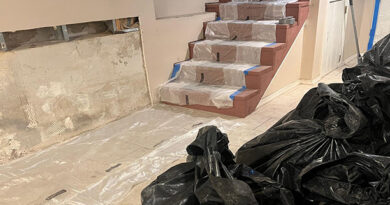
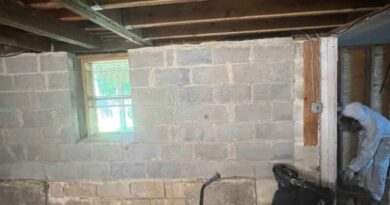
Call a professional for large infestations. If mold covers more than about ten square feet, or if it’s inside walls or HVAC systems, professional remediation is recommended. Attempting to remove large amounts of mold without proper containment can actually spread spores throughout the home, making things worse.
Don’t dismiss your symptoms. If you’ve been dealing with unexplained respiratory problems for months, and particularly if you’ve noticed dampness or a musty smell in your home, don’t just keep treating the symptoms. Get your home inspected and talk to your doctor about the possibility of mold-related illness.
A Final Word
We spend roughly 90% of our time indoors, and the quality of the air in those indoor spaces matters enormously for our health. Mold is one of the most common and most underappreciated threats to indoor air quality — and by extension, to respiratory health.
The good news is that with awareness, prompt action, and reasonable preventive measures, mold-related illness is largely avoidable. The bad news is that it’s far too easy to live with a growing problem without recognizing it for what it is.
For more information about Mold Growth contact Us:
Business Name: Green Guard Mold Remediation NYC
Address: 598 Broadway 4th floor, New York, NY 10012, United States
Phone: +1 888-315-2146
Email: info@greenguardmoldremediationnyc.com
Website: https://greenguardmoldremediationnyc.com/