Why Mold Detection in Manhattan Homes Is More Important Than You Think
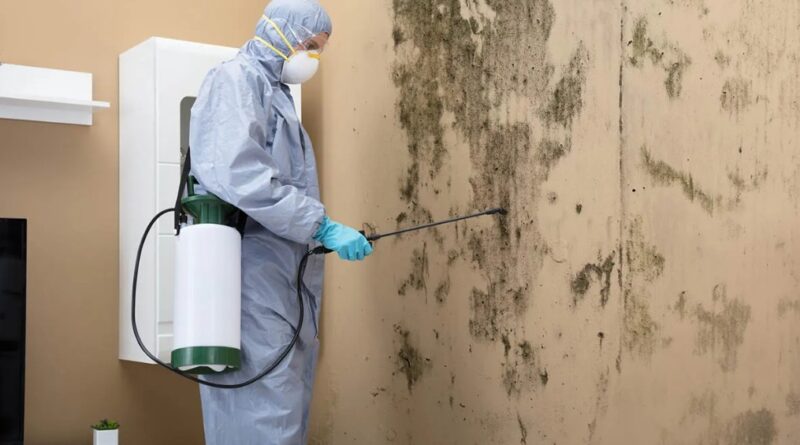
Mold Detection in Manhattan homes is a critical aspect of property maintenance that often goes overlooked. With the unique climate and architectural characteristics of New York City, the risk of mold growth is heightened, making it essential for homeowners, tenants, and property managers to prioritize mold inspections. Mold can develop in hidden areas, such as behind walls, under floors, and within HVAC systems, leading to significant health risks and structural damage if left unchecked. Understanding the importance of mold detection can safeguard both your property and your well-being.
The Silent Threat of Mold
Mold is not just an unsightly nuisance; it poses serious health risks and can compromise the integrity of your home. It thrives in damp, poorly ventilated spaces, often going unnoticed until it becomes a significant issue. Common sources of moisture that contribute to mold growth include:
- Leaky roofs: Water infiltration from damaged roofing can create ideal conditions for mold.
- Plumbing leaks: Undetected leaks can lead to moisture accumulation within walls and ceilings.
- Basement humidity: High humidity levels in basements can foster mold growth.
- Flooding: Past flooding incidents can leave residual moisture that encourages mold proliferation.
Unchecked mold can lead to various problems, including respiratory issues, structural damage, decreased property value, and potential legal ramifications for landlords.
Health Implications
Mold exposure can trigger a range of health issues, particularly for vulnerable populations such as children, the elderly, and individuals with pre-existing respiratory conditions. Common health effects include:
- Allergic reactions: Symptoms like sneezing, runny nose, and skin rashes can occur.
- Respiratory problems: Prolonged exposure can exacerbate asthma and other chronic lung conditions.
- Neurological effects: Some studies suggest that certain mold types may impact cognitive function.
Structural Risks
Beyond health concerns, mold can weaken the structural components of a home. Over time, it can compromise walls, ceilings, and wooden frameworks, leading to costly repairs and renovations.
Financial Consequences
Visible mold or water damage can significantly reduce a property’s resale or rental value. Additionally, landlords who neglect mold issues may face legal challenges, including tenant disputes and potential violations of housing regulations.
The Importance of Professional Mold Inspections
A professional mold inspection is crucial for identifying not only visible mold but also the underlying moisture sources that facilitate its growth. Here’s why investing in a mold inspection is essential:
Comprehensive Assessment
Certified mold inspectors utilize advanced tools and techniques to conduct thorough assessments. This includes:
- Moisture meters: These devices measure humidity levels in various building materials.
- Thermal imaging: This technology helps identify hidden moisture behind walls and ceilings.
- Air and surface sampling: Collecting samples for laboratory analysis can determine mold types and concentrations.
Objective Reporting
Licensed inspectors provide unbiased reports that can be invaluable for remediation plans and insurance claims. Their documentation serves as a reliable resource for homeowners and property managers.
Health and Safety
Early detection of mold can prevent health complications associated with prolonged exposure. By addressing mold issues promptly, you can create a safer living environment for all occupants.
Regulatory Compliance
In New York City, regulations require landlords to maintain mold-free living conditions. Compliance with these laws not only protects tenants but also shields property owners from potential legal issues.
What to Expect During a Mold Inspection
Understanding the Mold Inspection process can help homeowners prepare for what to expect. Here’s a breakdown of the typical steps involved:
Initial Visual Inspection
Inspectors begin with a walkthrough of the property, looking for signs of moisture, discoloration, or musty odors. Key areas of focus include:
- Bathrooms: High humidity levels can lead to mold growth.
- Basements: Often prone to moisture accumulation.
- Windows: Check for condensation and water damage.
Moisture Mapping
Using specialized equipment, inspectors create a moisture map of the property. This helps identify damp areas that may not be visible to the naked eye.
Air and Surface Sampling
If necessary, inspectors will collect air and surface samples to analyze mold types and concentrations. This data is crucial for determining the extent of the problem.
Detailed Report and Recommendations
After the assessment, a comprehensive report is provided, outlining findings, moisture sources, and recommendations for remediation. This ensures homeowners understand the necessary steps to restore a safe environment.
Post-Remediation Clearance
Once remediation is completed, a follow-up inspection confirms that all mold has been effectively removed, ensuring the property is safe for occupancy.
Proactive Measures for Mold Prevention
Preventing mold growth is often more effective than dealing with it after it has taken hold. Here are some proactive measures homeowners can take:
Regular Inspections
Conduct routine inspections of your property, focusing on areas prone to moisture. Look for:
- Water stains: Indicate potential leaks or moisture issues.
- Foul odors: A musty smell can signal hidden mold growth.
Maintain Indoor Humidity Levels
Keeping indoor humidity between 30% and 50% can significantly reduce the risk of mold growth. Consider using:
- Dehumidifiers: Portable or permanent units can help control moisture levels.
- HVAC systems: Ensure they are functioning properly and are regularly maintained.
Address Water Intrusions Promptly
If you experience any water intrusion, such as leaks or flooding, act quickly to remove the water and dry the affected areas.
Ventilation
Ensure proper ventilation in areas like bathrooms and kitchens. Use exhaust fans to reduce humidity and promote air circulation.
The Role of Real Estate Professionals
Realtors play a vital role in ensuring that mold detection is prioritized during property transactions. Here’s how they can contribute:
Educating Buyers and Sellers
Realtors should educate their clients about the importance of mold inspections. This includes discussing the potential risks associated with mold and the benefits of proactive detection.
Encouraging Mold Testing
Real estate agents should recommend mold testing, especially in properties with a history of water issues. This proactive approach can prevent complications during the buying process.
Collaborating with Mold Specialists
Establishing relationships with mold remediation experts can provide realtors with valuable resources. This ensures that clients receive accurate assessments and effective solutions.
Legal Considerations for Landlords
Landlords must be aware of their legal obligations regarding mold detection and remediation. Failure to address mold issues can lead to serious consequences, including:
Tenant Rights
Tenants have the right to live in a mold-free environment. If mold is discovered, landlords are typically required to take immediate action to remediate the issue.
Potential Liabilities
Ignoring Mold complaints can result in legal disputes, fines, and damage claims. Landlords should prioritize mold inspections to mitigate these risks.
Insurance Implications
Some insurance policies may exclude mold-related damages. Landlords should review their coverage and consider additional policies that include mold remediation.
The Financial Benefits of Mold Detection
Investing in mold detection can lead to significant long-term savings. Here’s how:
Preventing Costly Repairs
Addressing mold issues early can prevent extensive damage that requires costly repairs. This includes structural repairs and replacements of affected materials.
Protecting Property Value
Maintaining a mold-free environment helps preserve property value. Homes with a history of mold issues may struggle to sell or rent at competitive prices.
Reducing Health-Related Costs
By preventing mold-related health issues, homeowners can avoid medical expenses associated with mold exposure. This is particularly important for families with vulnerable members.
Conclusion: Prioritize Mold Detection in Manhattan Homes
In conclusion, mold detection in Manhattan homes is not just a matter of aesthetics; it is essential for health, safety, and property value. With the unique challenges posed by the city’s climate and architecture, proactive mold inspections and remediation are crucial. By understanding the risks associated with mold and taking preventive measures, homeowners can protect their investments and ensure a safe living environment. Whether you are a homeowner, tenant, or property manager, prioritizing mold detection is a vital step toward maintaining a healthy and secure home.
For more information about Mold Remediation Manhattan contact Us:
Company Name:Green Guard Mold Remediation NYC
Address: 598 Broadway 4th floor, New York, NY 10012, United States
Phone: +1 888-315-2146
Website: https://greenguardmoldremediationnyc.com/