Mold Testing vs Mold Inspection in Manhattan: What’s the Difference?
When it comes to maintaining a safe and healthy living environment, understanding the nuances of mold testing and mold inspection is crucial, especially in a bustling city like Manhattan. Mold can pose serious health risks and structural issues if left unchecked, making it essential for homeowners and business owners to know when to call in professionals. This article will delve into the differences between mold testing and mold inspection, helping you make informed decisions about your property.
Understanding Mold: The Basics
Mold is a type of fungus that thrives in damp environments. It can grow on various surfaces, including wood, drywall, and even fabric. Mold spores are microscopic and can easily become airborne, leading to potential health risks when inhaled. Common symptoms of mold exposure include respiratory issues, allergic reactions, and even chronic illnesses.
Why Mold Growth Occurs
Mold growth is often triggered by excessive moisture, which can result from:
- Water leaks from pipes or roofs
- High humidity levels
- Flooding or water damage
- Poor ventilation in enclosed spaces
Understanding these factors is essential for effective mold management.
Health Risks Associated with Mold
Living in a mold-infested environment can lead to various health problems, particularly for individuals with pre-existing conditions such as asthma or allergies. Symptoms may include:
- Sneezing and coughing
- Skin irritation
- Eye irritation
- Fatigue and headaches
Recognizing the signs of mold growth early can help mitigate these health risks.
What is Mold Inspection?
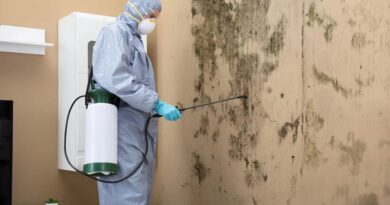
A mold inspection is a comprehensive evaluation conducted by a certified professional to identify visible mold growth and assess the conditions that may contribute to its proliferation. This process is crucial for determining the extent of mold contamination and the necessary steps for remediation.
The Mold Inspection Process
- Pre-Inspection Preparation: Before the inspection, homeowners should gather information about any past water damage, leaks, or humidity issues.
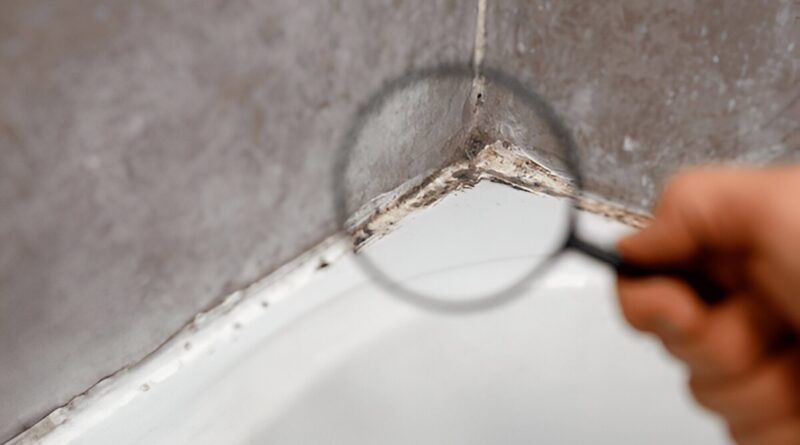
- Visual Examination: The inspector will conduct a thorough visual assessment of areas prone to Mold growth, such as basements, bathrooms, and attics. They will look for visible mold, water stains, and signs of moisture.
- Moisture Mapping: Using specialized tools like moisture meters and infrared cameras, inspectors can identify hidden moisture sources that may not be visible to the naked eye.
- Airflow Evaluation: Inspectors will assess ventilation systems and airflow patterns to identify areas where moisture may accumulate.
- Reporting Findings: After the inspection, a detailed report will be provided, outlining the findings, moisture sources, and recommended remediation steps.
When to Schedule a Mold Inspection
Consider scheduling a mold inspection if you notice:
- Visible mold or water stains
- Musty odors in your home
- Recent water damage or flooding
- Health issues that may be related to mold exposure
What is Mold Testing?
Mold Testing Manhattan involves collecting samples from the air, surfaces, or bulk materials to identify the presence and concentration of mold species. This process is essential for creating a targeted remediation plan and verifying the effectiveness of cleanup efforts.
The Mold Testing Process
- Sample Collection: Depending on the situation, professionals may collect air samples, surface samples, or bulk samples from affected areas.
- Laboratory Analysis: The collected samples are sent to an accredited laboratory for analysis, where they are examined for mold species and spore concentrations.
- Results Reporting: Once the lab results are available, the testing team will prepare a report detailing the findings, including health risk assessments and remediation recommendations.
When is Mold Testing Necessary?
Mold testing is particularly important in the following scenarios:
- When mold is suspected but not visibly identifiable
- Following a mold inspection that indicates potential issues
- For legal disputes or insurance claims
- After remediation to ensure the area is clear of mold
Key Differences Between Mold Inspection and Mold Testing
Understanding the distinctions between mold inspection and mold testing can help you determine which service is appropriate for your situation. Here’s a breakdown:
| Aspect | Mold Inspection | Mold Testing |
|---|---|---|
| Purpose | Identify visible mold and moisture sources | Confirm presence, species, and concentration of mold spores |
| Techniques | Visual surveys, moisture meters, infrared cameras | Laboratory analysis of air, surface, or bulk samples |
| Outcome | Inspection report with remediation recommendations | Quantitative lab report detailing spore counts and species |
| When to Use | Initial assessment or property transactions | Legal disputes, health concerns, or hidden mold suspicion |
| Cost Range | $300–$650 per property | $50–$150 per sample (varies by type) |
Cost Considerations for Mold Inspection and Testing
Understanding the financial implications of mold inspection and testing is vital for homeowners and business owners. Here’s a breakdown of average costs associated with these services in Manhattan:
Mold Inspection Costs
| Property Size | National Average | NYC Metro Area |
|---|---|---|
| Small Apartment/Studio (under 1,000 sq. ft.) | $250 – $400 | $300 – $450 |
| Single-Family Home (1,000–2,500 sq. ft.) | $400 – $650 | $500 – $750 |
| Large Homes or Commercial Properties | $700 – $1,200+ | $800 – $1,500+ |
Mold Testing Costs
| Test Type | Cost per Sample | NYC Price Range |
|---|---|---|
| Air Sampling | $100 – $150 | $125 – $200 |
| Surface Swab/Tape | $50 – $100 | $75 – $125 |
| Bulk Material Test | $75 – $150 | $100 – $175 |
Optional Add-Ons
- HVAC system inspection: +$100–$250
- Post-remediation clearance inspection: +$200–$500
FAQs About Mold Inspection and Testing
Do I Need Both Mold Inspection and Testing?
The necessity for both services depends on the situation. If visible mold or water damage is present, an inspection is essential. However, if you require confirmation of mold species or documentation for legal or insurance purposes, testing is recommended.
Can I Perform Mold Testing with a DIY Kit?
While DIY kits can provide preliminary insights, they lack the accuracy and reliability of professional lab testing. Professional services offer comprehensive analysis, expert interpretation, and formal reports.
How Long Does Mold Testing Take?
The sample collection process typically takes 1–2 hours. Lab results can take anywhere from 24 to 72 hours, depending on the urgency and capabilities of the laboratory.
Conclusion: Making the Right Choice
In summary, understanding the differences between mold testing and Mold Inspection Manhattan is crucial for maintaining a safe and healthy environment in your home or business. Both services play a vital role in identifying and addressing mold issues, but they serve different purposes. By recognizing the signs of mold growth and knowing when to seek professional help, you can protect your property and health effectively.
If you suspect mold in your Manhattan property, don’t hesitate to reach out to a qualified professional for assistance. Early intervention can save you time, money, and potential health complications in the long run.
For more information about Mold Remediation Manhattan contact Us:
Company Name:Green Guard Mold Remediation NYC
Address: 598 Broadway 4th floor, New York, NY 10012, United States
Phone: +1 888-315-2146
Website:https://greenguardmoldremediationnyc.com/